
Reviewed · TOLEDO DAY TRIPS
Toledo: Ancient Underground City Tour in Spanish
Toledo’s underground spaces are interesting because the city literally worked into the rock for centuries, then kept reusing it as needs changed. If you like history that feels physical, not just on walls, this tour makes Toledo’s layers tangible. I also appreciate the way the guide brings in curiosities and legends as you go.
I love two things in particular. First, the stop at the bath Cenizal, the 11th-century Arab hammam, is a real chance to see architecture made for daily life, not just monuments. Second, you cover five underground locations in about two hours, so you get a satisfying sweep of Toledo’s underground world without feeling stuck in one place.
One consideration: this tour is not suitable for people with mobility impairments, and it also bans video recording. If you need lots of room or easy access, you may want to choose a different Toledo activity.
Key highlights worth knowing before you go
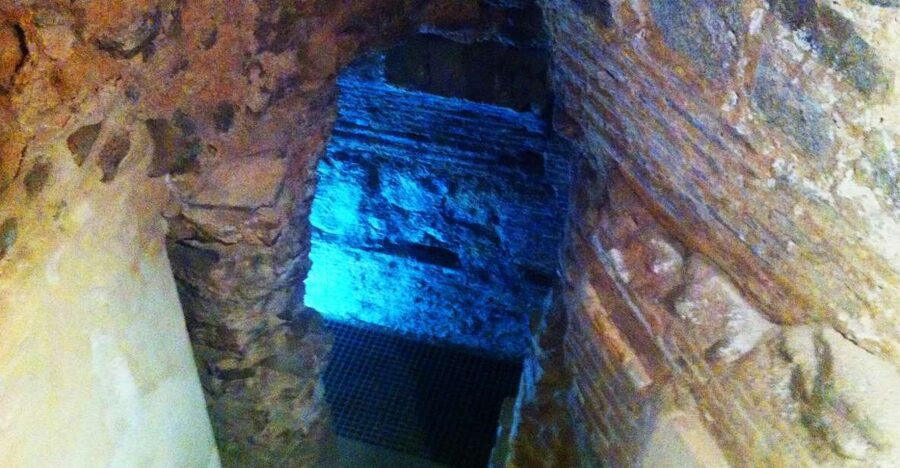
- Five underground locations in one 2-hour circuit, with stories threaded through the stops.
- Bath Cenizal (old hammam), an 11th-century Arab baths site, explained in context.
- Old Nuncio Roman baths, showing how later cultures used earlier spaces.
- Salvador’s Well from the 11th century, tied to mosque-era Toledo.
- Church of the Savior and House of the Jew, which help connect the underground to later community life.
- A Spanish-speaking guide who focuses on Toledo history and answers questions clearly.
Why Toledo became an underground city
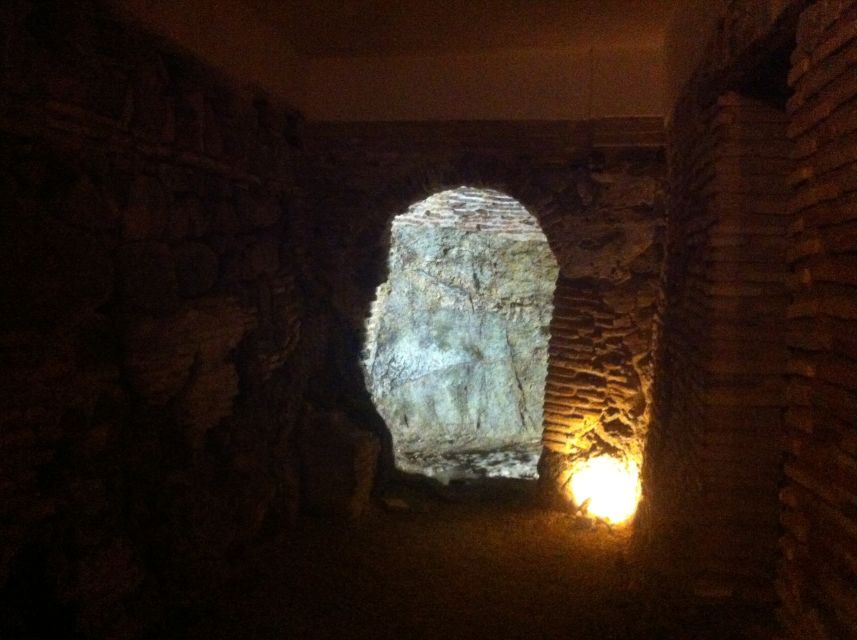
Toledo’s story starts with rock. Long before modern streets, people cut and excavated the stone beneath the city for practical reasons: storing water, hiding from wars, building passageways, and creating spaces like baths, spas, and tunnels.
That mix of utility plus secrecy is what makes the tour fun. You are not just looking at one era. You are watching how different eras reused the same underground logic, sometimes leaving clear traces, other times hiding details behind stories that survived because no one could fully explain what they were seeing.
And here’s what I like most as a visitor: when you stand in a centuries-old subterranean room, you naturally ask different questions. Why was this placed here? Who needed it? What did the next group do with it? Your guide’s focus on curiosities and legends makes those questions feel guided, not random.
More Toledo day trips from Madrid:
- Guided Walking Tour of Immortal Toledo
★ 5.0 · 1,116 reviews - Toledo Private Tour with Licensed Local Guide
★ 5.0 · 884 reviews - Toledo: City Sightseeing Hop-On Hop-Off Bus Tour & Extras
★ 4.3 · 683 reviews
Finding the right meeting spot (and what to bring)
The tour meets at the hall of Nº7. At the end on the right, you’ll find the Secretos de Toledo office.
Plan to arrive a touch early, because you want a calm start before the first underground entrance. Wear comfortable shoes. Underground routes often mean uneven stone and tight spaces, and this tour is clearly set up for walking through more than just flat corridors.
One more practical note: video recording is not allowed. That means you’ll rely on your eyes and the guide’s explanations. If you like taking notes, this is the kind of tour where a quick notebook habit helps.
Bath Cenizal, the 11th-century Arab baths
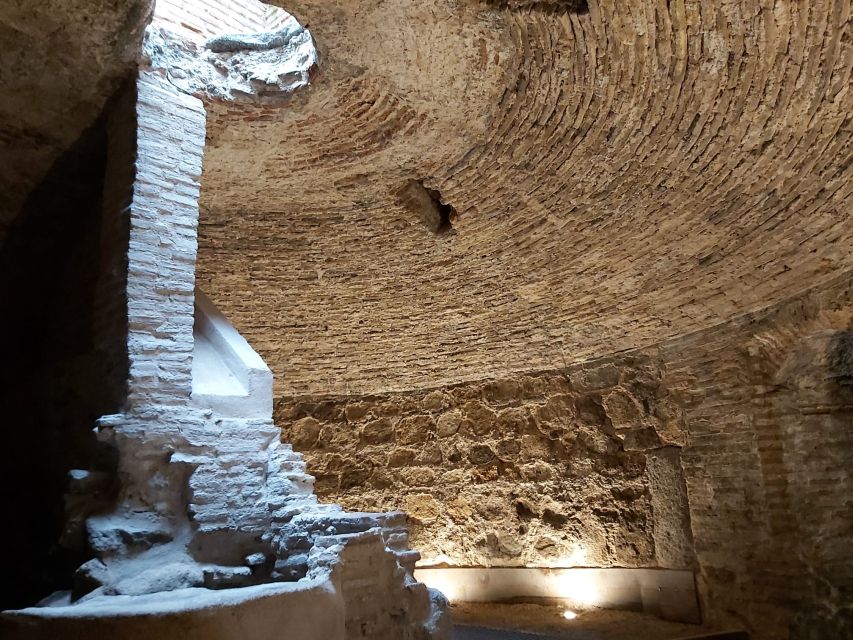
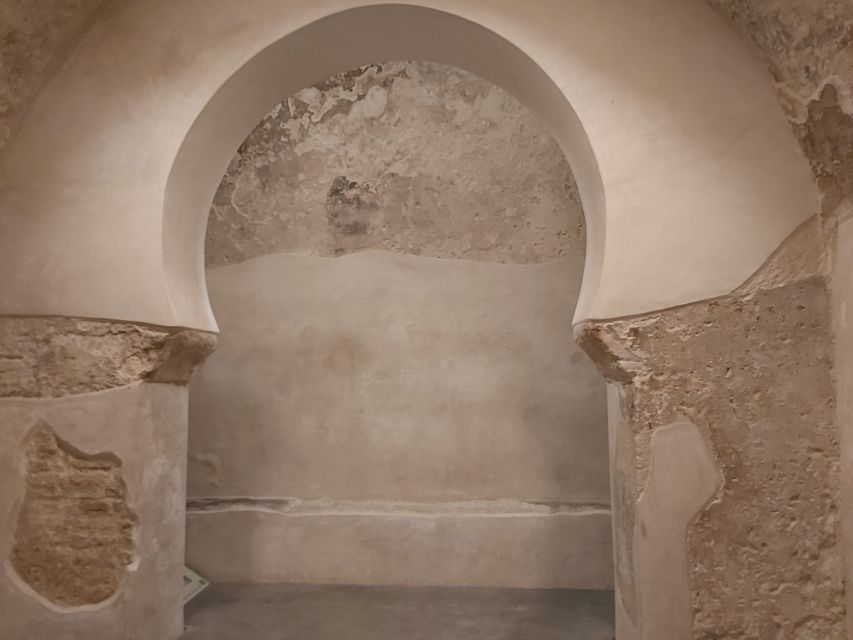
The tour’s first major “wow” moment is the bath Cenizal, described as an old hammam and connected to Arab baths from the 11th century. This is one of those places where history feels ordinary, because hammams were about everyday rituals and social life, not only grand ceremonies.
You’ll hear how the site worked and what architectural details are worth noticing. Even without a checklist, you can usually spot why baths were built into the underground: warmth management, protection from weather, privacy, and steady use. Your guide connects these practical goals to the design choices you see.
What makes this stop valuable is the perspective shift. Instead of thinking of “underground” as spooky or secret-only, you see it as functional infrastructure. People needed heated spaces, water systems, and controlled areas, and Toledo’s rock gave them the materials.
If you enjoy guided explanation, this is where you’ll feel it most. In one Spanish-language tour experience, the guide Ruth was praised for making the long explanations click, not just reciting facts. That’s the vibe you should hope for here: walk in, listen, look again, and suddenly the rooms make sense.
Roman Toledo’s old Nuncio baths, reused with purpose
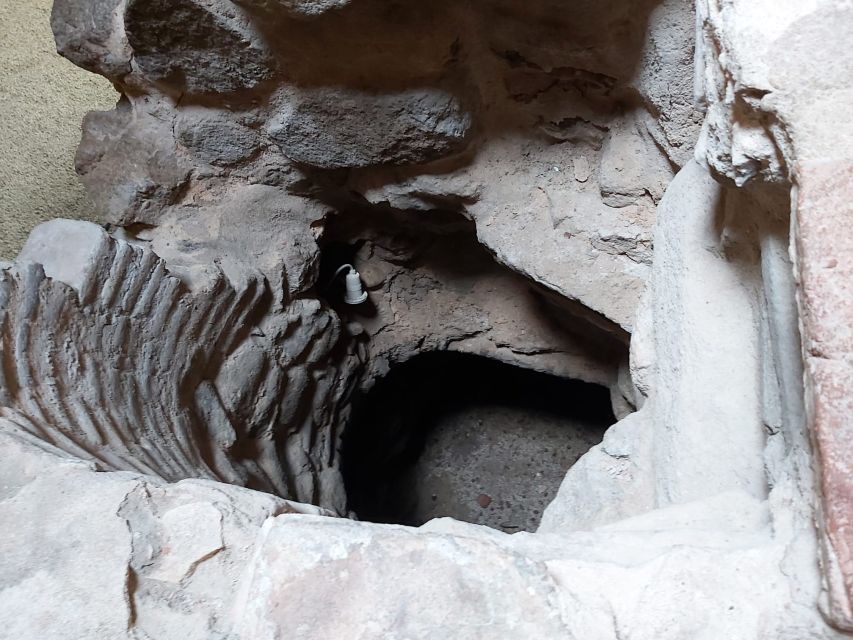
Next, you’ll move to the old Nuncio Roman baths, described as a social space of Roman Toledo. Roman baths were about community, schedule, and civic identity, so it’s a different kind of energy than a hammam.
You’ll learn how Romans built these spaces and, just as importantly, how later people reused them. That reuse piece matters because it turns the tour into a study of continuity and change. You are not only learning “Roman then Arab.” You’re learning how later cultures inherited infrastructure and adapted it.
When I think about value, this is where the tour earns it. Many history walks stop at one era. Here, the underground gives you overlapping layers. You start to see patterns: bath spaces keep returning in different forms because people kept needing warm water, social gathering areas, and shelters from conflict.
And since your guide weaves in legends alongside the architecture, you get a fuller picture of why some historical information is clear and why other parts are harder to pin down. Underground sites often attract stories because the clues are incomplete or buried again and again.
A few more Toledo tours worth comparing
- City Sightseeing Toledo Hop-On Hop-Off Bus Tour
★ 4.5 · 439 reviews - Toledo: City of the Three Cultures Guided Walking Tour
★ 4.3 · 40 reviews - The Enchanted City: A Mysterious Tour of Toledo
★ 4.2 · 29 reviews - Madrid: Panoramic Route City Tour
★ 4.1 · 12,259 reviews
Salvador’s Well and the mosque-era connection
Then comes Salvador’s Well, an 11th-century well that belonged to the mosque before the story moves to later religious sites.
Even if you know basic Roman and Arab history, wells bring a different kind of realism. Underground spaces are not only for hiding. They support daily life. A well means water access, and water access means people can survive, work, and gather.
Your guide links the well to the mosque-era use and explains how these features fit into the larger system beneath Toledo. What I find satisfying is that the tour doesn’t treat the well as a standalone curiosity. It places it in the logic of excavation, storage, and reuse that has shaped the underground city.
If you like learning how a city ran at ground level and below ground, this is a key stop. You end up understanding that the underground was not a side project. It was part of the city’s operating system.
Church of the Savior: turning underground space into spiritual layers
After the well, you’ll head to the Church of the Savior. This is where the underground narrative shifts from practical and communal water and bath needs toward later religious and cultural identity.
What’s useful here is the guided connection. You’re not just looking at a church and leaving it at that. You’re moving from the mosque-era reference point into a site that represents later Christian presence and interpretation.
This stop helps you see that underground spaces do not stay frozen in time. When communities changed, spaces changed roles. Some features likely remained useful, while others became symbolic. Either way, the tour keeps reminding you that Toledo’s layers overlap, and you can still read that overlap if you pay attention.
House of the Jew: where community history meets the underground
The tour finishes with the House of the Jew. Even though the name might sound like a single story, your guide uses it to connect Toledo’s underground spaces to community life and cultural influence.
This stop is important for the “why” behind the underground. Underground buildings and tunnels are often explained as defense, but the tour frames them as also supporting community and daily living. Seeing a cultural site like this at the end gives the underground walk a clearer human theme: people used these spaces because they needed them, and they told stories about them because they carried meaning.
The value here is how the tour balances architecture with interpretation. Some legends may mask historical facts. Others might be attempts to explain what people saw and could not fully map with certainty. Either way, the legends are not just noise. They show how communities made sense of an environment that is literally underfoot.
How the 2-hour route works in real life
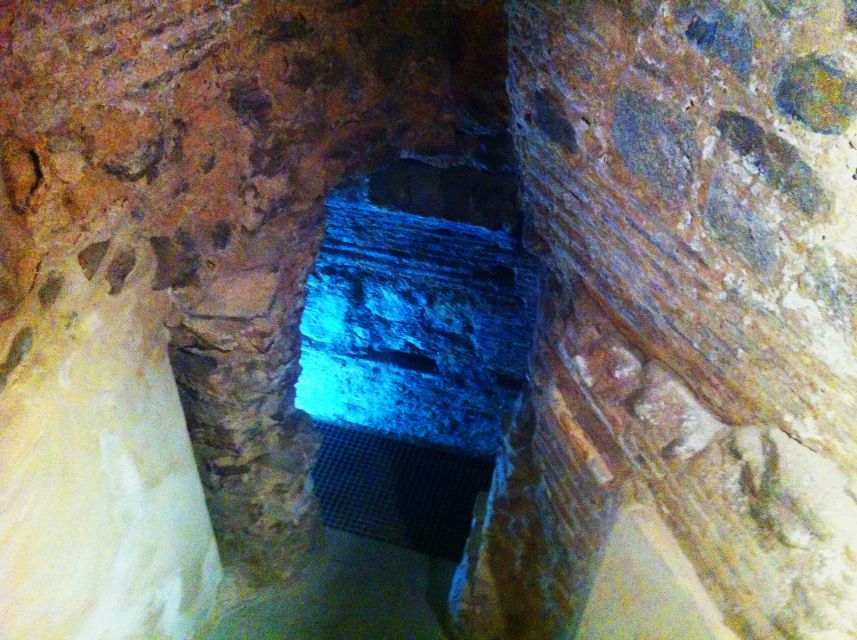
This tour is designed to last 2 hours, and you’ll visit all five underground locations as part of one continuous experience. That duration is a sweet spot for most people. Long enough to understand the pattern and short enough that you are not exhausted before the best rooms.
Your experience is led by a Spanish-speaking guide specialized in Toledo history, so explanations are built around how the sites relate. That matters because underground spaces can be confusing on your own. You might notice details, but you might not know what they mean.
I also like that the tour doesn’t pretend you can “do it all” about Toledo. It narrows in on a specific theme: excavated rock and reused spaces. If your goal is a focused story you can actually remember, this is a strong choice.
One thing to plan for: underground sites often mean cooler temperatures and tighter movement. There are no extra tips given beyond comfortable shoes, so I’d keep expectations practical. Bring the kind of energy you’d use for a walk through older stone corridors: patient, curious, and ready to listen.
Price and value for $15, plus the small catch
At $15 per person, this is priced like a value-focused tour, and the inclusions justify the cost. You get entry to the sites plus a Spanish-speaking guide specialized in Toledo history.
Here’s the real value math: you are paying for (1) access to underground locations, and (2) guided context that helps you interpret what you see. If you’ve ever visited underground spaces without a guide, you know how quickly it turns into “cool room, not sure why it matters.” This tour is built to prevent that.
The only downside on cost is what’s not included: food and drinks. That’s not a big issue for a 2-hour activity, but it does mean you should plan to eat before or after. If you run on low energy, you’ll enjoy the underground stops more if you’re not hungry.
Who this tour suits best
This is ideal if you:
- Like history you can touch, not just read.
- Want to understand Toledo through the lens of architecture and daily life beneath the surface.
- Enjoy a guide who mixes curiosities and legends with the explainable parts.
It may not suit you if you:
- Have mobility limitations, since the tour is not suitable for people with mobility impairments.
- Rely heavily on video recording, since that’s not allowed.
- Prefer self-guided wandering with no set stops, because this is structured around five locations.
Should you book Toledo’s Ancient Underground City Tour in Spanish?
If you want a strong Toledo theme in a short time, I think you should book this. The underground circuit gives you a rare mix of Arab baths at the bath Cenizal, Roman bath context at the old Nuncio baths, and a clear “layering” story through Salvador’s Well, the Church of the Savior, and the House of the Jew.
At $15, it’s also hard to beat the value. You’re paying for access plus a history-focused guide, and you’re not spending half the day getting there and back.
Just go in with the right expectations: it’s walking, it’s underground, it’s guided in Spanish, and there is no video recording. If that fits your style, you’ll leave with Toledo’s underground world in your head, not just your camera roll.
FAQ
How long is the Toledo Underground City tour?
The tour duration is 2 hours.
Is the guide Spanish-speaking?
Yes, the tour is led by a Spanish-speaking live guide specialized in the history of Toledo.
What does the ticket price include?
The price includes entry to the sites and the Spanish-speaking guide.
Is food or drinks included?
No, food and drinks are not included.
Is video recording allowed during the tour?
No, video recording is not allowed.
Is the tour suitable for people with mobility impairments?
No, it is not suitable for people with mobility impairments.
Recently reviewed around Toledo
- TOUR TOLEDO 3 CULTURAS ⭐⭐⭐⭐⭐★ 4.8 · 16 reviews
- TOUR “ TOLEDO TODO EN UNO ”★ 4.6 · 67 reviews
- Tour of the Inquisition and Witchcraft in Toledo★ 3.3 · 13 reviews
- The Enchanted City: A Mysterious Tour of Toledo★ 4.2 · 29 reviews
- Toledo: Three Cultures Walking Tour in Spanish★ 4.4 · 66 reviews
- TOLEDO: Private Tour With Official Guide★ 5.0 · 6 reviews
- Toledo: Private Walking Tour with a Local Guide★ 5.0 · 5 reviews
- Toledo : Private Walking Tour with a Pro guide★ 4.6 · 4 reviews
Toledo Day Trips, compared.

Three Cities in One Day: Segovia, Avila and Toledo from Madrid
Read our review →
Segovia and Toledo Tour, Alcazar, and Cathedral
Read our review →
Toledo Tour from Madrid: Cathedral, Synagogue & St. Tome’s Church
Read our review →
Toledo Half or Full Day Tour with Optional Lunch from Madrid
Read our review →
Toledo & Segovia Full Day Guided Tour with Alcázar
Read our review →

Toledo Tour & Vineyard Walk with Wine Tasting from Madrid
Read our review →Browse the lists this tour appears in