
Reviewed · EL ESCORIAL & VALLEY OF THE FALLEN TOURS
San Lorenzo de El Escorial Monastery: Private Tour
San Lorenzo de El Escorial is the kind of place where Spain’s power and art history sit in the same rooms. This private tour is interesting because you get to move through a UNESCO World Heritage site with context, not just photos. I love the focus on major artworks and the way the visit connects them to the Habsburg world. I also like that you get priority entrance plus headsets, so you can hear every detail without craning your neck. One consideration: you will climb lots of steps, so it is not a good fit if you have mobility limits.
I especially like how the tour covers the full “story arc” of the monastery, from religious spaces to the showy royal symbolism. You’ll see the basilica and the Royal Pantheon, then end with the Hall of Battles and its mural paintings, and finally step into the Renaissance gardens for mountain views in the Sierra del Guadarrama. The pace is set for a private group, and the guide, Isabella Trébede, is known for answering questions in clear, friendly English or Spanish.
Key highlights to know before you go
- Isabella Trébede’s private guiding style keeps the history understandable and interactive.
- Priority entrance through a separate route helps you start strong instead of waiting.
- Art stops that matter, including works associated with Titian, El Greco, Velázquez, and Luca Giordano.
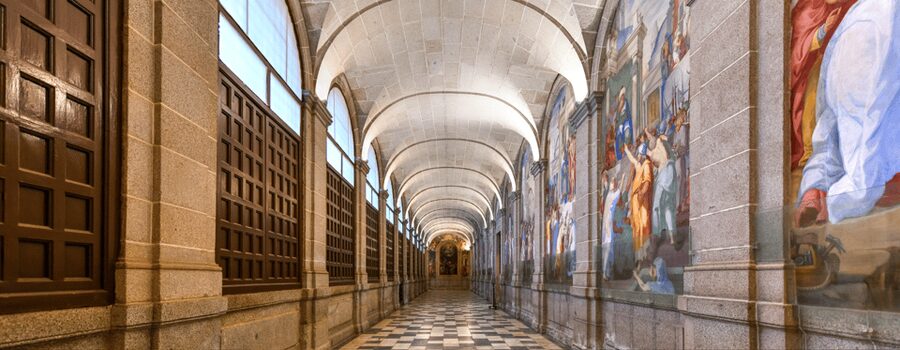
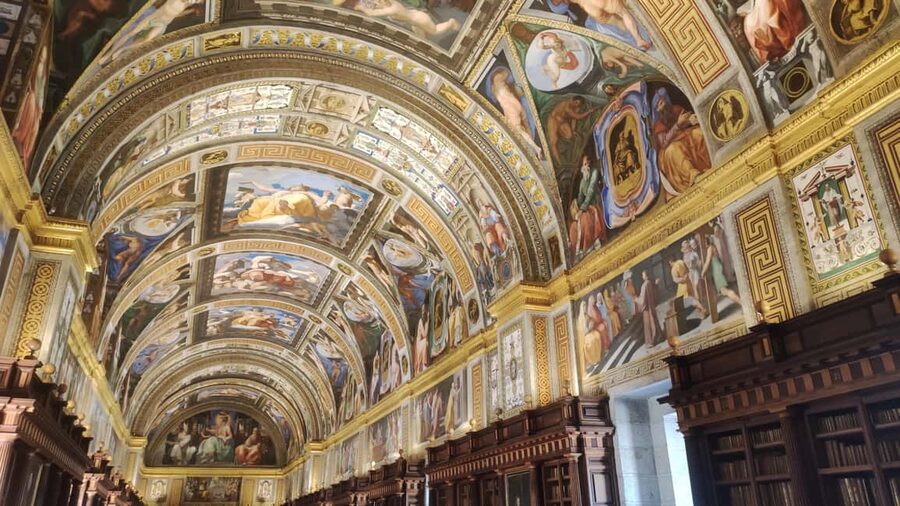
- The library and main staircase get proper time, including impressive frescoes.
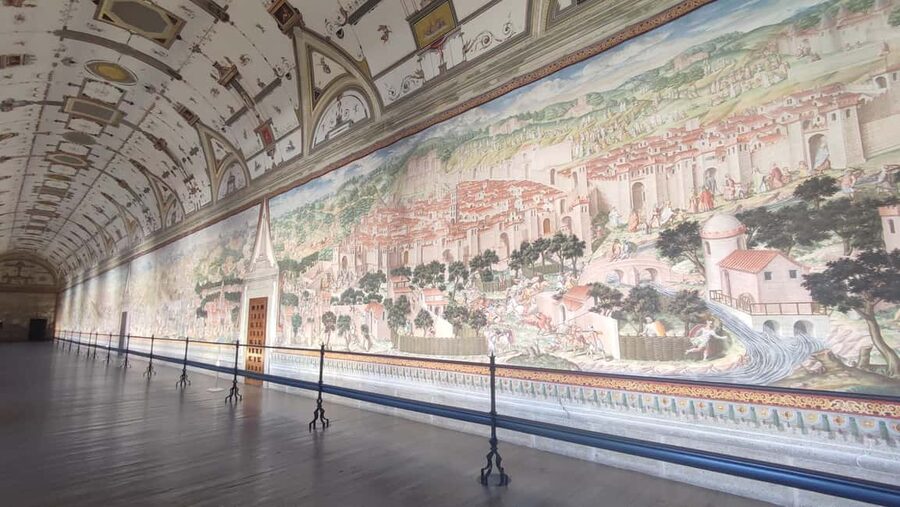
- Hall of Battles is the unforgettable interior finale with dramatic mural paintings.
- Garden finish with panoramic views, plus a chance to spot peacocks in the grounds.
Why San Lorenzo de El Escorial is a Madrid day trip worth your time
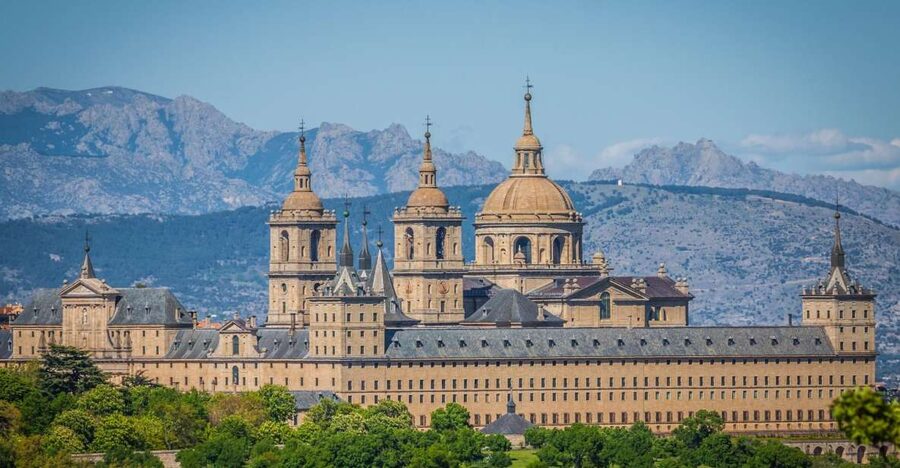
If you’re basing yourself in Madrid, the biggest question is how to spend your one limited day outside the city. San Lorenzo de El Escorial solves that. It’s not a quick stop with a couple of viewpoints. It’s a full monument complex where you can feel the ambition of the Spanish monarchy, right alongside devotion and scholarship.
This monastery was built to project power, but it also serves as a map of what people in the Habsburg era valued. The tour is designed to show you that idea in layers. You start with the religious side, then you move into spaces tied to learning and public image, and you end with battle symbolism and a royal afterlife story in the pantheon. After that, you step outside to the gardens, where the building’s seriousness gives way to open air and mountain views.
That mixture is the main reason the private format works so well here. With a guided route, you can understand why certain rooms feel grand, why others feel ceremonial, and why the art choices make sense in the political setting.
More El Escorial and Valley of the Fallen tours:
- Escorial Monastery and the Valley of the Fallen Tour from Madrid
★ 5.0 · 2,494 reviews - Escorial Monastery and the Valley of the Fallen from Madrid
★ 4.0 · 1,023 reviews - From Madrid: El Escorial and Valley’s Basilica Half Day Tour
★ 4.4 · 638 reviews
Meeting Isabella at the Tourist Office and getting through security fast
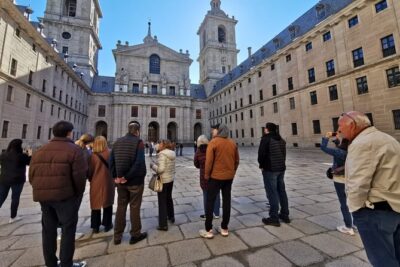
Your tour begins in San Lorenzo de El Escorial town, at the meeting point marked by the Spain flag. It’s right across from the Oficina de Turismo, and your guide will carry a tote bag with the Isabella Trébede name.
Before you reach the interior areas, plan for airport-style security. That’s normal here and it can slow things down if you arrive unprepared. Bring a passport or ID card, and wear comfortable shoes because the monastery involves many steps. The good news is that you get priority entrance once you’re cleared, and that helps the overall flow.
You should also think ahead about bags. Backpacks and big bags need to be left at free individual lockers, but you’ll need a €1 coin. Your tour excludes food, bikes, and baby carriages, and pets are not allowed, so keep your day light.
One more practical note that helps: the tour lasts about 2.5 hours. With that kind of time window, showing up on time matters more than usual. If you’re late, the guide has less room to adjust, and that can squeeze the best rooms.
Priority entry, headsets, and how the private pace changes the visit
At $79 per person, this is not the cheapest option in the area. But it’s priced for a real reason: you’re buying a guide who stays with you the whole time, plus skip-the-line tickets that are included in the package.
You’ll get licensed guiding and individual headsets, which is a big quality-of-life upgrade in places where echo and crowds are real. You do not want to fight for audio while you’re trying to focus on frescoes, staircases, and room-by-room symbolism.
Because it’s private, the guide can also shape explanations to your questions. The most praised part of this experience is how Isabella handles details in a way that’s easy to follow. That matters at El Escorial, where names, religious context, and royal history can feel like a lot unless someone puts it into a clear sequence.
In practical terms, private guiding means you spend your energy looking at the right things. Not wandering, not guessing, and not turning your visit into a rushed checklist.
Basilica to library: art, science, and Philip II’s “mindset” in stone
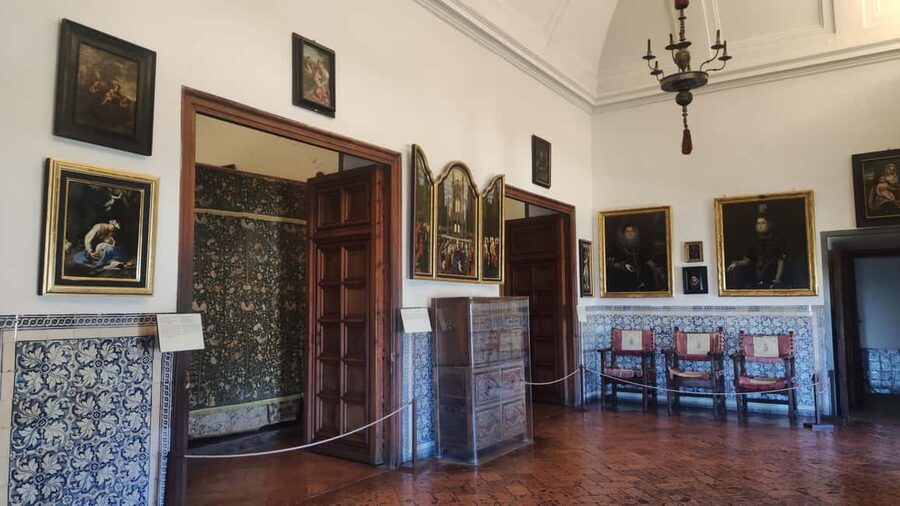
The monastery’s interior can feel like it covers everything at once. The tour keeps it organized, moving you through key rooms that represent different aspects of the same worldview.
You’ll start with the basilica, which is central to the religious context of the time. This part isn’t just decorative. It helps you understand the emotional tone of the complex, and why certain choices in art and architecture follow faith and ceremony.
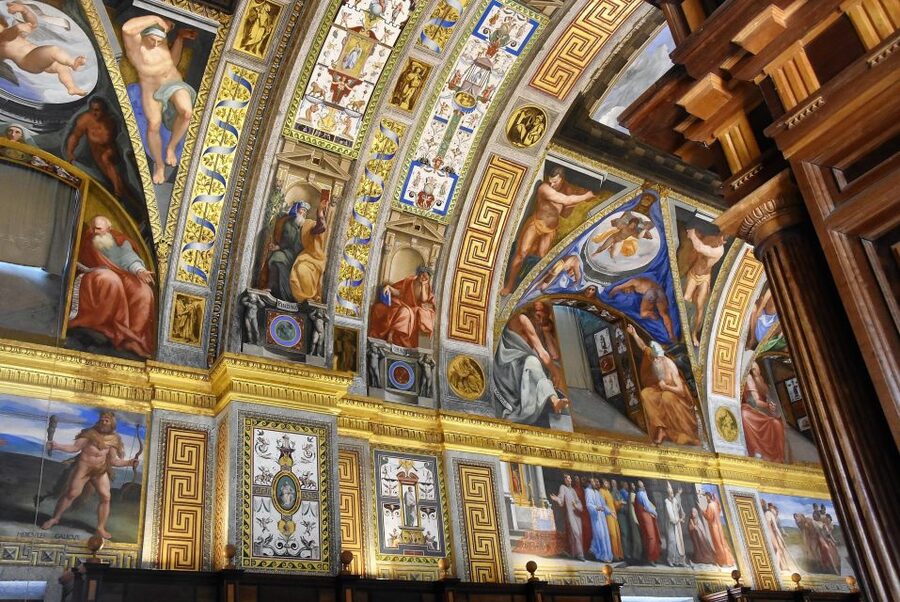
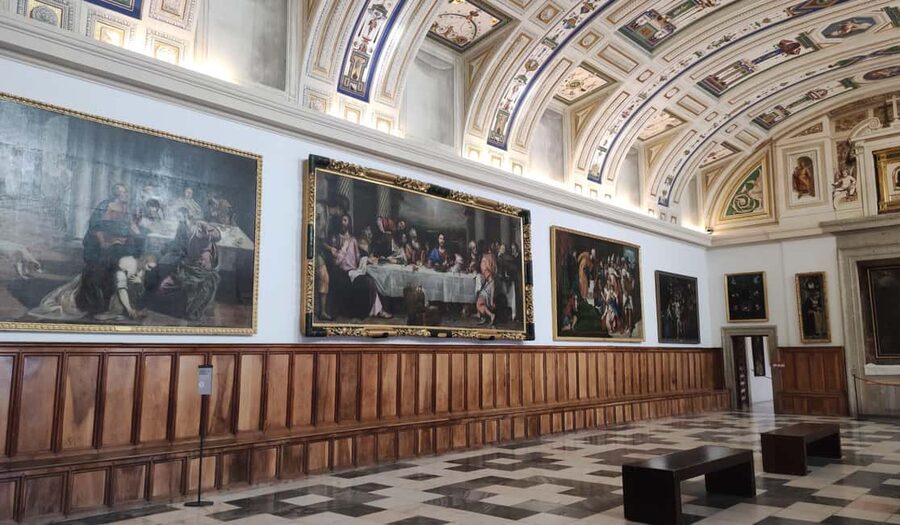
Then you move into the library, one of the signature moments of the whole visit. This is where you see the monastery’s humanist side. The tour frames the library as an example of Phillip II Humanism and his taste for science and the arts. That doesn’t sound like a tourist slogan once you’re inside. The library frescoes and the way the space is designed make the point that knowledge here is not casual. It’s tied to authority.
You’ll also spend time around the main staircase and its frescoes. This is one of those spots where you can feel why the building is famous. The scale and the painted storytelling are designed to impress, but with guidance you also notice how the artwork communicates order, power, and belief.
As for the art names listed for this tour, you’ll connect the collection and decorative choices with major artists associated with the space, including Titian, El Greco, Velázquez, and Luca Giordano. Even if you don’t get close-up views of every work, the guide’s role is to show you what to look for and why these names belong in the broader context.
A possible drawback: since this tour is focused on the most important rooms, you might not have the time for every side chamber. If you’re the type who loves long, slow wandering, you may want extra time on your own after the tour ends.
A few more Madrid tours worth comparing
- Madrid Welcome Tour with Local Guide in Eco Tuk Tuk Private
★ 5.0 · 2,936 reviews - Madrid: Private City Tour by Eco Tuk Tuk
★ 4.9 · 2,876 reviews - Madrid Historical Tour with Local Guide in Eco Tuk Tuk Private
★ 5.0 · 876 reviews - Toledo Private Tour with Licensed Guide and Driver from Madrid
★ 5.0 · 637 reviews
Royal Pantheon and the Hall of Battles: where power turns theatrical
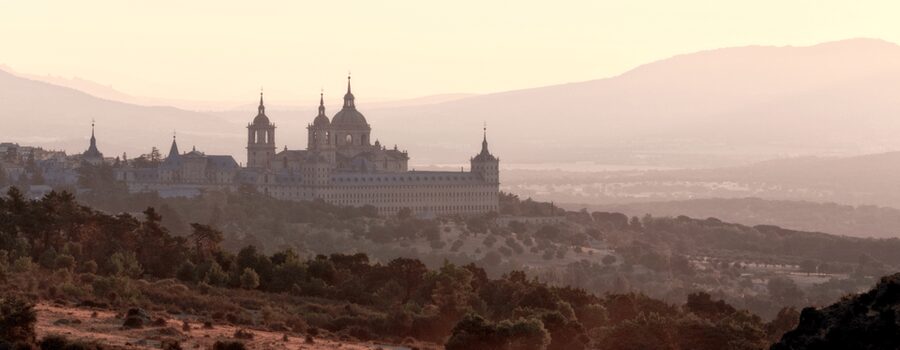
After the library and major interior spaces, the tone shifts toward royal storytelling. The Royal Pantheon is where the monastery becomes personal and political at the same time.
Here you’ll learn the story behind figures connected to Spanish power, including John of Austria, described as the bastard son of Emperor Charles V. The pantheon isn’t only about bodies and tombs. It’s about legacy, legitimacy, and how rulers wanted their story remembered.
Then you reach the Hall of the Battles, which is the interior finale for this tour. This hall is famous for its mural paintings, and the experience is designed so you reach it after the context is set. That order makes a difference. You understand what you’re seeing because you already learned about the monastery’s identity as a monument of authority.
Inside the Hall of Battles, you’re looking at large-scale painted drama meant to communicate triumph and struggle. The murals have a way of sticking in your mind because they’re not subtle. They are meant to be remembered, and with a guide you also learn what those images represent in the larger Habsburg narrative.
Is it overwhelming? It can be, in the best way. You may feel like you’re watching a historical film told in paint. The headsets help you follow the explanation, and the guide’s pacing keeps you from feeling lost.
What happens when masses close the basilica
On Sundays and religious holidays, the basilica can be closed during masses, and that can mean closure for the morning. The tour is set up with a smart fallback: if that happens, your guide extends the visit at the library or the chapter rooms.
This is more than a small schedule tweak. It protects your time. Instead of losing a planned stop and ending early, you keep moving through similarly important spaces. That means you still get the humanist art focus from the library and you still cover core monastery areas that carry the story of the complex.
If you’re visiting on a day with religious services, I’d treat this as one of the reasons a guided private tour helps. A guide can adjust while keeping the visit coherent.
Renaissance gardens, Sierra del Guadarrama views, and a peacock bonus
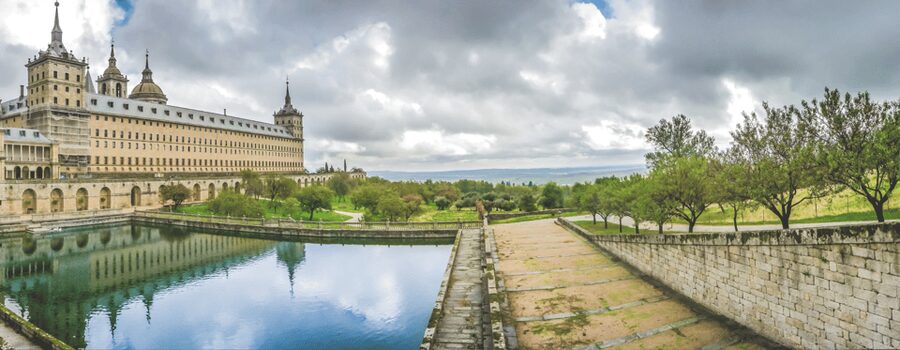
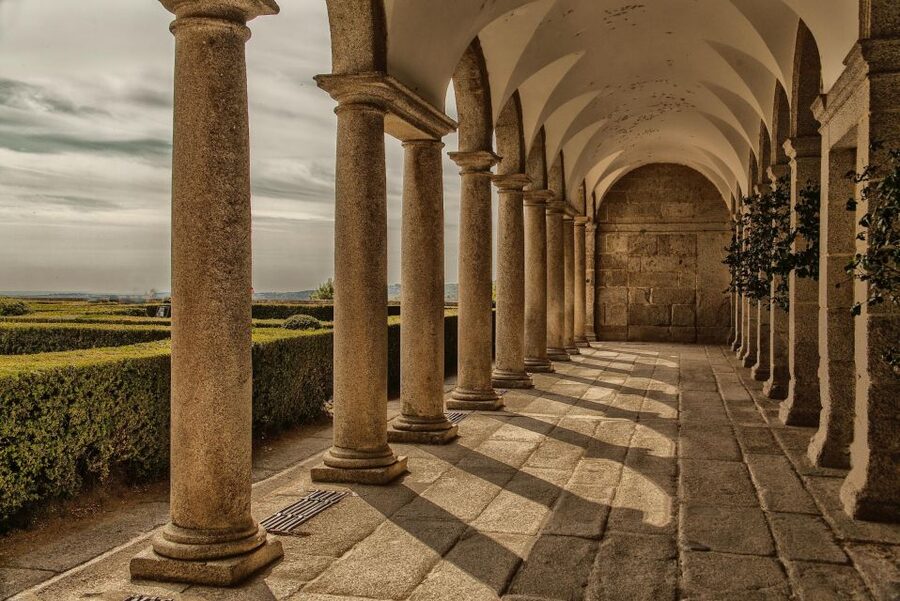
After the interior, you finish in the Renaissance gardens created for the kings and the monks. This is a different kind of payoff.
Inside, the monastery feels like structured authority. Outside, the gardens soften the atmosphere. You get panoramic views of the forest and the surrounding mountains in the Sierra del Guadarrama. It’s also a chance to reset your brain after hours of imagery and symbolism.
There’s a fun extra: if luck is on your side, you might see peacocks living in the gardens. That’s not something you should plan your expectations around, but it’s a nice little reminder that these grounds still feel alive.
The tour ends back at the meeting point, so you can decide what to do next. If you want more time outside, you can build your own rhythm. If you prefer to head back toward Madrid quickly, you’re not stuck with a long add-on.
Price and value: what $79 buys you in real terms
Let’s talk value without pretending this is a bargain-basement deal. At $79 per person for a private 2.5-hour tour, you’re paying for four main things:
First, the licensed guide stays with you through the best rooms in one continuous visit. That matters at El Escorial because the site is not naturally self-explanatory.
Second, skip-the-line tickets are included (not an extra line-item you discover later). That saves time and helps you keep the schedule intact.
Third, headsets improve the experience. When you’re inside echo-prone halls, clear audio is not a small perk. It’s the difference between learning and just looking.
Fourth, the private format gives you a more comfortable pace and the chance to ask questions that fit your interests. If you’re the sort of person who wants context for names like John of Austria or Charles V, this setup is worth it.
You also get flexibility options like free cancellation up to 24 hours in advance and reserve now, pay later. Those details make planning easier, especially if your Madrid itinerary might shift.
The main reason I think this price can feel fair is that it includes more than the ticket. It includes interpretation, which is exactly what El Escorial needs if you want the visit to feel meaningful instead of just impressive.
Who this private San Lorenzo de El Escorial tour is best for
This tour is ideal if you want the big highlights without turning the day into an effortful museum sprint.
You’ll likely enjoy it if:
- You like understanding how art connects to politics, religion, and royal ambition.
- You prefer a guided pace through major rooms like the library, Royal Pantheon, and Hall of Battles.
- You’re visiting El Escorial from Madrid and want a clean half-day plan.
You should think twice if:
- You have mobility impairments or you struggle with stairs, because the monument is not accessible and the route includes many steps, even if the guide takes it easy.
- You want long, independent wandering time. This is structured and highlight-focused.
As for ages, the booking notes that all participants must appear in the booking, including infants under 5 years, who are free. Seniors over 65 and kids between 12 and 16 need a valid ID or a copy at entry, and minors must be accompanied by an adult.
Practical tips so your visit feels easy
A few small prep steps make the biggest difference here.
Wear shoes with grip. The route involves many stairs, and the surfaces inside can be tough if you’re in thin-soled footwear.
Pack light. Food is not allowed, and pets, bikes, luggage or large bags, and baby carriages are also not allowed. Use the lockers if you have a backpack or large bag, and remember the €1 coin requirement.
Bring your ID. Passport or ID card is required, and entry is tied to the security checks.
Expect an adjustment on religious days. If you’re coming on a Sunday or religious holiday morning, the basilica may be closed during masses. Your guide will extend the library or chapter rooms instead.
Plan for clear meeting timing. The meeting point is specific, across from the Oficina de Turismo, and your guide will be easy to spot with the Isabella Trébede tote bag. Arriving a bit early reduces stress.
Should you book this private El Escorial Monastery tour with Isabella?
Book it if you want the strongest version of El Escorial in about half a day: the basilica, the library and its frescoes, the main staircase, the Royal Pantheon, and the Hall of Battles, followed by gardens and mountain views. The private guiding, headsets, and priority entrance turn a famous monument into a readable story.
Skip it or consider another option if you’re sensitive to stairs or if you need a fully accessible route. Also, if you’re the type who wants to linger for hours in every wing, this timed highlight visit may feel a bit tight.
For most Madrid visitors, though, this format is a practical sweet spot. You get a focused, high-impact visit with a guide like Isabella Trébede who keeps the history clear, answers questions, and helps you see why El Escorial is considered one of Spain’s most astonishing monuments.
Recently reviewed around Madrid
- Tour en Tuk Tuk por lo mejor de Madrid★ 3.4 · 13 reviews
- From Madrid: Toledo Day Trip with Cathedral and 8 Monuments★ 4.3 · 32 reviews
- From Madrid: Toledo Guided Day Trip with Cathedral Admission★ 4.4 · 79 reviews
- Madrid: Tasty Tapas Tour & Visit to a Terrace with Views★ 4.5 · 118 reviews
- Madrid: Spanish Tapas Tour★ 4.3 · 7 reviews
- From Madrid: Best of Sevilla Day Tour with Train Transfers★ 4.6 · 40 reviews
- Tapas Food Tour with Dinner in Madrid★ 5.0 · 6 reviews
- Small Group Prado Museum Guided Tour with Skip the Line★ 4.2 · 106 reviews
El Escorial & Valley of the Fallen Tours, compared.
Escorial Monastery and the Valley of the Fallen Tour from Madrid
Read our review →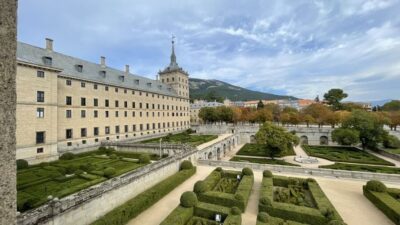
Escorial Monastery and the Valley of the Fallen
Read our review →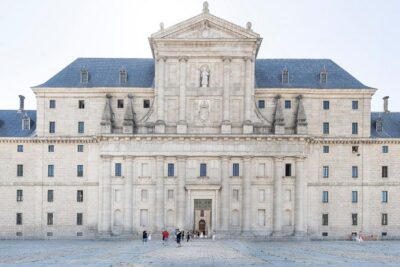
Escorial Monastery and the Valley of the Fallen from Madrid
Read our review →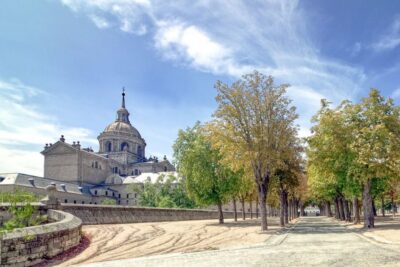
El Escorial and Valley’s Basilica Half Day Tour
Read our review →

Royal Site of San Lorenzo de El Escorial Entrance Ticket
Read our review →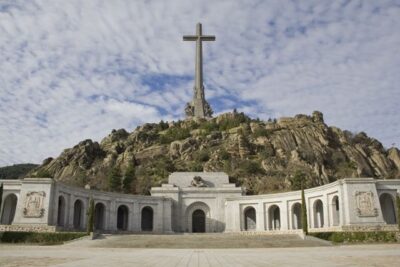
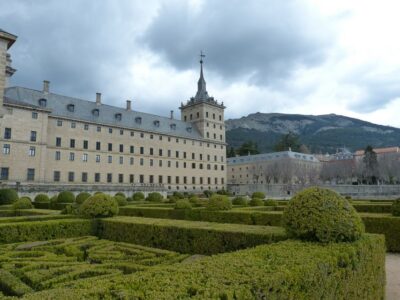
San Lorenzo de El Escorial: Monastery and Site Guided Tour
Read our review →Browse the lists this tour appears in