
Reviewed · MADRID WINE TASTINGS
Ribera del Duero wine region private tour
Ribera del Duero is one of Spain’s most international wine regions, and what makes this day special is the way it teaches you Tempranillo by comparison. You’ll go from a sleek, modern winery with an avant-garde feel to a centuries-old family producer that’s famous for its subterranean aging caves. Two wineries, two styles is the theme all day long, and it clicks fast.
I also love that you get real access, meaning you’re not just walking through rooms. You’re meeting people behind the wine and learning why grapes and cellars matter in a climate that can be intense. The other thing I like: you get tastings that include not just finished bottles, but also the aging story, with time spent in the subway cellars and a bar-style tasting afterward. The main drawback to consider is that what you see in promotional photos may not perfectly match what you’ll visit on your specific day, so it’s smart to confirm winery names ahead of time.
Key things I’d watch for
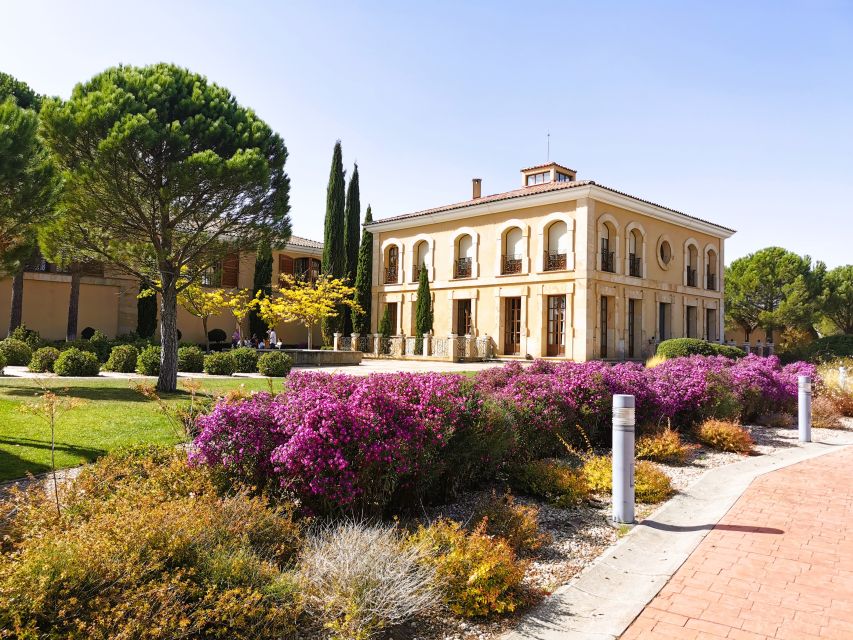
- Modern architecture plus classic aging so you can compare style in more than one way
- Meet the owners and winemakers and ask why they make decisions, not just what they sell
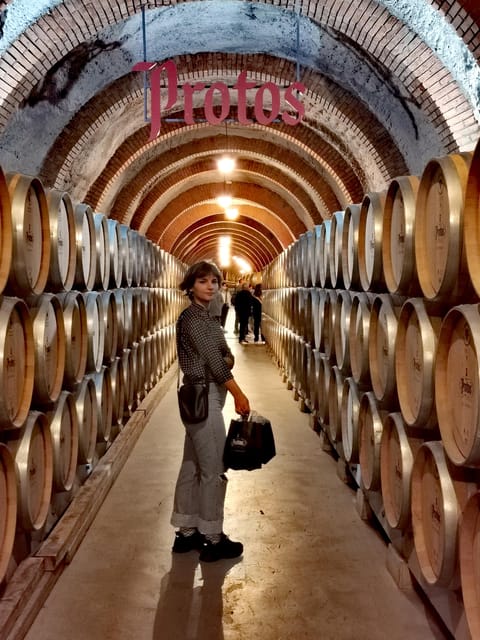
- Subterranean subway cellars where aging conditions do the heavy lifting
- Tempranillo in different hands through tastings of distinct wine styles
- A family winery with huge working cellar capacity and a long-running, on-site identity
- Lunch that fits the region with Castilian food plus a panoramic viewpoint
One-Day Ribera Del Duero: The Tempranillo Lesson Plan
If you like wine, this is the kind of day trip that makes the next bottle make sense. Ribera del Duero is built on Tempranillo as the base grape, but that doesn’t mean the wines all taste the same. Variation comes from vineyard conditions, how fruit is handled, how long the wine spends aging, and even the tools used in the barrel program.
This tour leans into that idea in a very practical way. Instead of one winery telling you their story, you see two different approaches, then taste the results. The “international” reputation of the region matters here, because the wines travel well, but the real value for you is learning what the region does to the grape and what winemakers change on purpose.
Also, Ribera del Duero is famous for its underground cellar culture, and you’ll actually step into that world rather than just hear about it. When you can smell the cool cellar air and see rows of aging barrels, wine theory becomes something you can feel.
More wine tastings in Madrid:
- Toledo Tour & Vineyard Walk with Wine Tasting from Madrid
★ 5.0 · 2,546 reviews - Madrid: Tapas & Wine Tasting Tour with Local Guide
★ 4.8 · 2,171 reviews - Madrid Tapas & Wine Tour with Rooftop Views and Local Guide
★ 5.0 · 2,047 reviews
The Madrid Pickup and the Van Ride That Sets the Pace
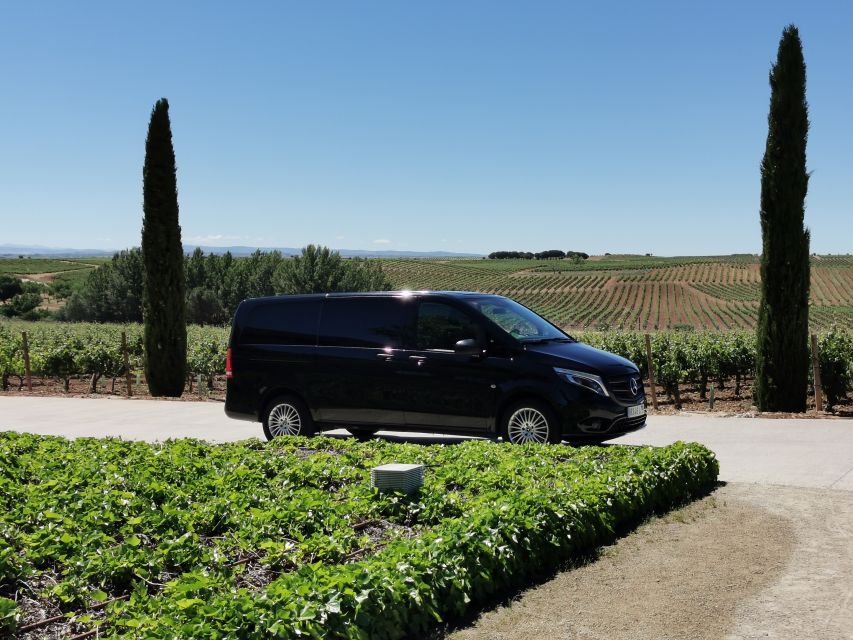
The experience starts in Madrid with hotel pickup, and they ask you to wait in the lobby about 10 minutes before the scheduled time. Then you’re in a van for roughly 105 minutes, heading out toward Ribera del Duero.
That ride matters more than you’d think. It’s enough time to get into the right frame of mind without turning the day into a blur. I’d use it to do two things: (1) get comfortable shoes on because the day includes winery walking, including subterranean spaces, and (2) think about the style you usually like. If you normally prefer fruit-forward wines, tell your guide. If you like more structure and aging character, also say that. Your tastings will feel smarter when you have a target.
One more reason the van ride is worth it: you do not have to coordinate driving, parking, or timing between remote producers. For a wine day, logistics can kill the fun. Here, the transport is part of the package, so you can focus on the wine.
Stop One: A Modern Avant-Garde Winery and the Story in the Barrels
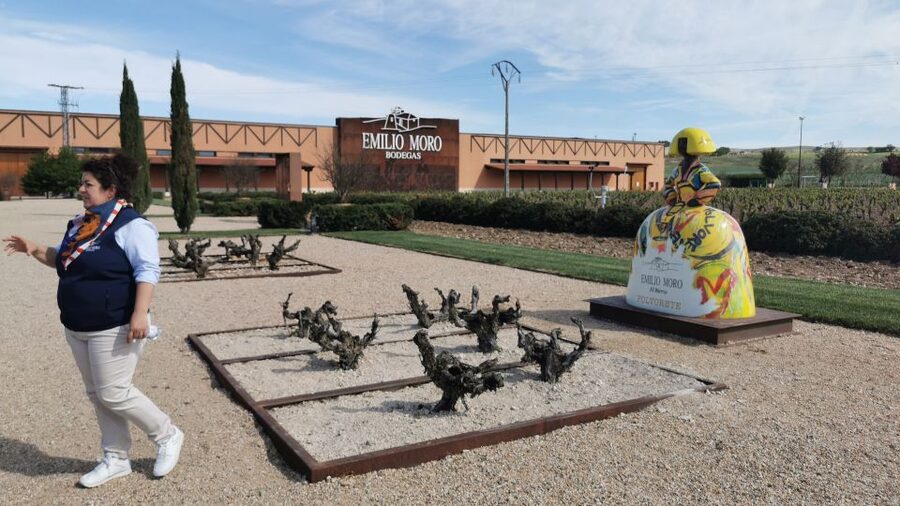
Your first winery visit is at a modern property with an avant-garde building that’s designed to work with the territory, not fight it. This is where the day starts with a “how it’s made now” perspective.
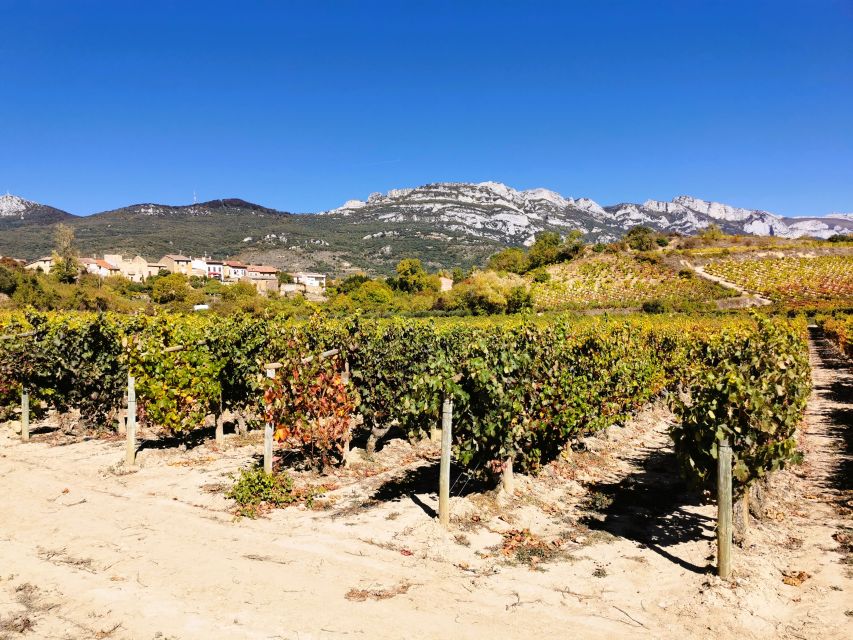
Inside the facilities, you learn about grape cultivation in a climate that can be extreme. That detail matters, because Ribera del Duero isn’t a gentle, always-temperate place. Stress and temperature swings affect ripening patterns, and that influences the style of Tempranillo you get later. You also hear about winemaking techniques and aging times, which is where many wine days fall short. Here, you’re shown how decisions connect from vine to bottle.
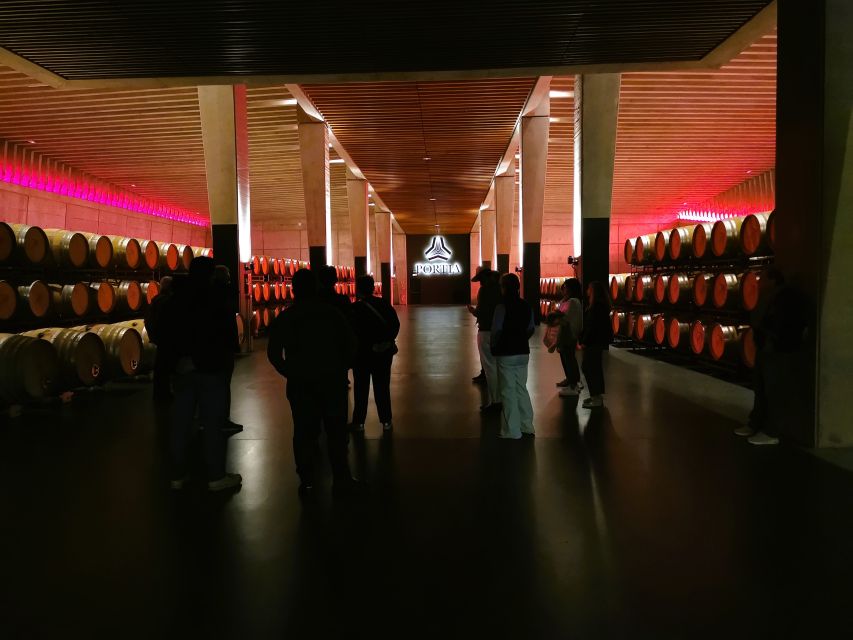
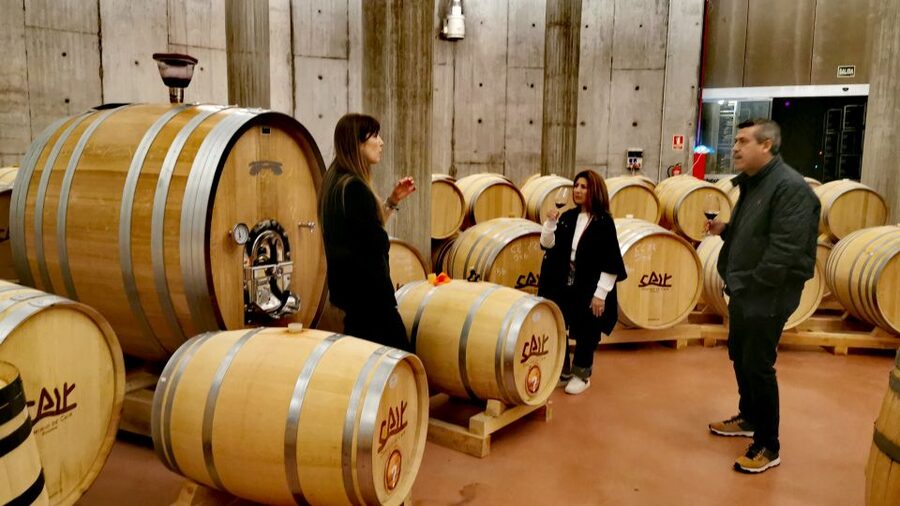
After the facilities tour, you spend time in the winery’s subway cellar for a tasting that specifically includes American and French barrels. That’s a key difference-maker. Barrel type can shift flavors and textures, and it also changes how the wine evolves during aging. Even if you’re not a wine nerd, you can usually spot the contrast once you taste side by side.
Then the tour moves up to a wine bar for a tasting of three of the winery’s best wines, served in a setting surrounded by older vineyards around the winery. I like this combo, because it balances technical learning with an actual tasting experience in a pleasant place to sit, compare, and ask questions.
What to watch for here: the focus on barrels and aging time. If you want to learn how style is built rather than guessed, this first stop is a strong start.
Stop Two: A 16th-Century Family Winery and Working Subway Cellars
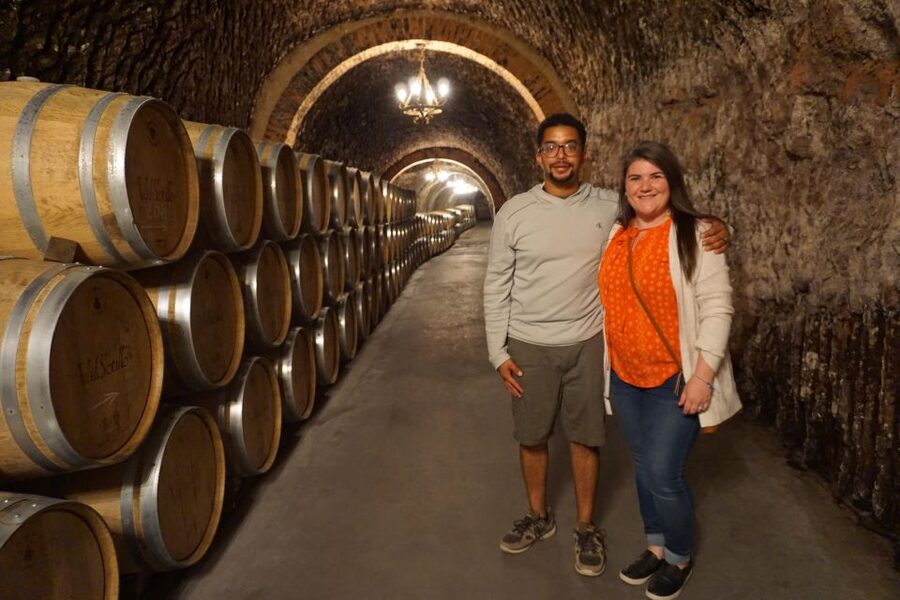
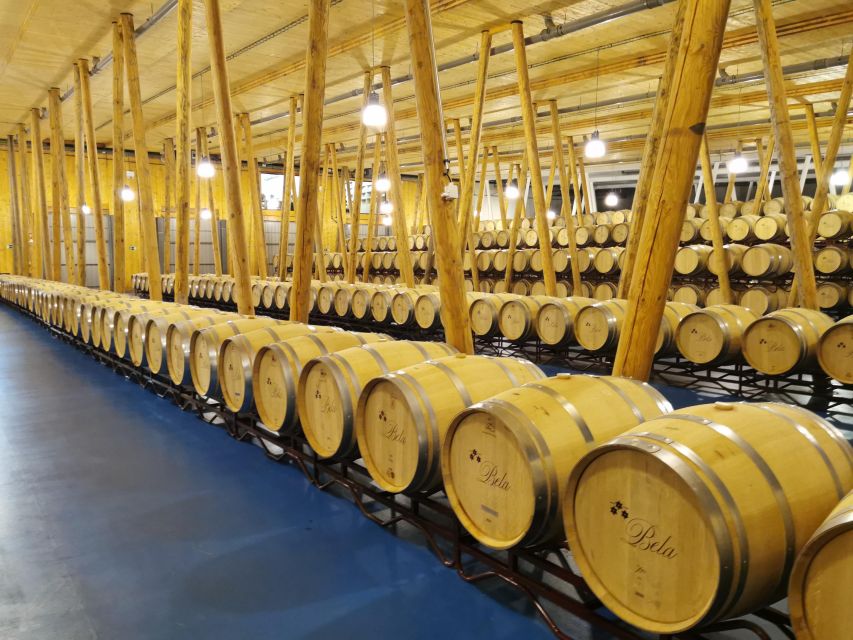
The second winery visit shifts you into a more historical and family-driven mode. This is a family producer and promoter of the Ribera del Duero D.O., and the owners guide you through the underground aging world where more than a thousand barrels are kept. The tour description also calls out that it’s the largest subway winery still in production in the region, and that it dates back to the 16th century.
Think of it like this: the first winery can show you systems and modern choices. The second winery shows you continuity, scale, and how the place itself becomes part of the brand. Standing inside working caves is a different experience than seeing a museum cellar. The cool conditions help the wine age steadily, and the sheer number of barrels makes it feel industrial in the best way, like a real production engine operating quietly under the ground.
They also frame this winery as one of Spain’s wine cathedrals, which is less about fancy wording and more about the big, room-like scale of subterranean spaces. If you like atmosphere, you’ll probably remember this stop more than the lecture parts. It’s where the region’s identity becomes physical.
What to watch for here: pay attention to how they explain the role of cellar conditions and aging. Even if the wines you taste are different from the first stop, the “why” behind their approach is the real lesson.
Still in Madrid, a different sort of afternoon:
- Madrid: Tour Bernabéu Entry Ticket
★ 4.5 · 21,573 reviews - Madrid: Prado Museum Entry Ticket
★ 4.6 · 17,509 reviews - Madrid: “Emociones” Live Flamenco Performance
★ 4.8 · 12,866 reviews - Madrid: Panoramic Route City Tour
★ 4.1 · 12,259 reviews
Lunch in a Castilian Village With Cellar Hillside Views
After the wine visits, you get lunch in a quaint village, with about 1.5 hours allocated for a full meal. The lunch is described as a wide representation of traditional Castilian gastronomy, so you’re not stuck eating something generic between tastings.
This is also where you get a chance to slow down a bit. Wine days can compress your senses, so food and a change of pace help reset your palate. I’d treat lunch as part of the learning, not just fuel. When you eat local dishes after wine tastings, you start noticing how flavors pair with different wine styles, even if you’re not trying to.
Then there’s time at the village to explore wine cellars on a hill and enjoy a panoramic view from the region. Even though the day is built around wineries, this viewpoint moment matters. It gives your brain a map in real space. You understand why the area’s wine identity can be connected to terrain, not just a label.
What Tempranillo Tastes Like When You Compare Two Approaches
Tempranillo can be a confusing grape for new fans because it often expresses both elegance and structure. You’ll hear that it’s the backbone of the region, but the most useful part of this tour is how it shows Tempranillo’s range through two wineries that emphasize different paths.
At the modern winery, the learning focus tends to go toward process and barrel influence. You taste wines after being introduced to vineyard cultivation in a harsh climate, then you get the barrel contrast in the subway cellar. After that, the bar tasting of three wines helps you connect the technical talk to what the wine actually tastes like.
At the family winery, the learning focus tends to be more about scale and the long-term aging environment. When you see a huge working cellar with a lot of barrels aging at once, you start to understand how producers can manage consistency and variation at the same time. Then, your tasting experience becomes about noticing differences that come from winemaking philosophy and aging approach.
If you want one practical takeaway, it’s this: you can’t judge Tempranillo from a single bottle. You judge it by context, and that’s what this tour gives you in one day.
Price and Logistics: Is $412 Per Person Worth It?
At $412 per person for a 10-hour private tour, this isn’t a budget add-on. The value comes from the combination of things you normally pay for separately.
You’re getting:
- Hotel pickup and drop-off in Madrid
- Transportation by van for the long day
- An expert bilingual guide in English and Spanish
- Entrance and tastings at two wineries
- A full lunch meal
That package is the core reason the price can work for you. A long trip like Ribera del Duero usually means spending time and money on transport alone, and wine tastings at reputable producers do not come free. Here, the day is structured so you actually visit two producers representing different styles, instead of spending most of the time traveling or waiting around.
I’d consider this best value if you care about learning and tasting at a serious pace, rather than just checking wineries off a list. If you only want one casual stop and you’re traveling with zero interest in comparing styles, you might feel it’s pricey for what you taste.
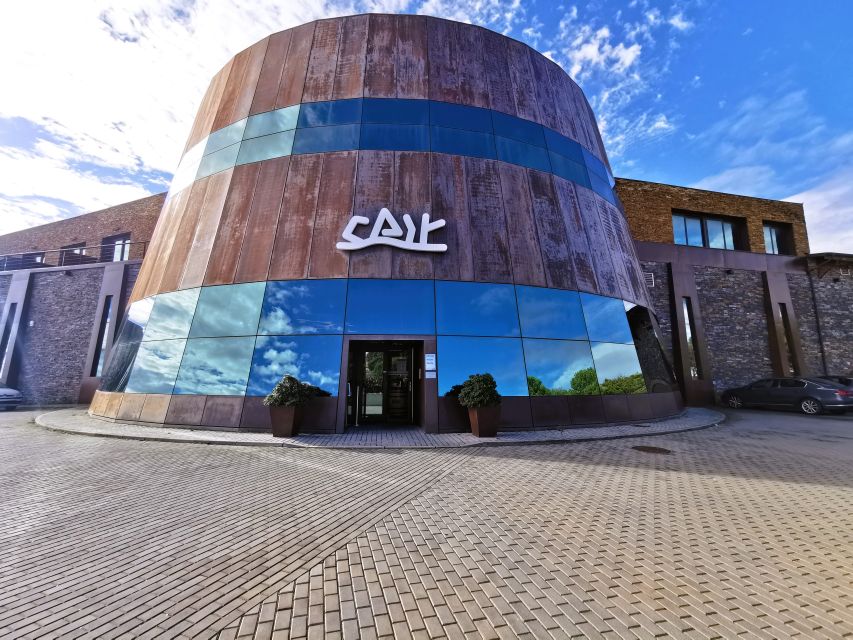
Also, one caution from a real booking experience: a guest felt the promotional photos suggested different specific wineries than those visited. That doesn’t mean the tour is wrong, but it does mean you should confirm which winery names are included in your exact reservation before you go in expecting a specific pair.
Who This Private Day Trip Fits Best
This tour fits you if you want a guide-led wine day without driving stress, and if you enjoy asking questions in plain language. The private group format is a big plus for wine learning because it’s easier to steer the conversation toward what you actually like in wine.
It also fits well if you want:
- A comparison of Tempranillo styles from two reputed wineries
- Access to owners and winemakers during the day
- A strong underground-cellar experience
I’d be a little cautious if you dislike walking, because the day includes winery touring and subterranean areas. You don’t need hiking shoes, but you do need shoes that handle winery floors comfortably.
Tips to Make the Wine Day Feel Smooth
A few small things can make the whole experience better.
First, wear comfortable shoes. Subway-style wineries mean cool surfaces and more movement than you might expect. Second, dress in comfortable clothes that you can layer, because cellar temperatures can feel different from above-ground areas.
Third, come with at least one preference. If you like wines with more barrel influence or you prefer fruit and freshness, tell your guide. The tastings are more enjoyable when your brain has a cue.
Fourth, use the owner or winemaker access for one good question. You might ask why they choose a particular barrel type, or how they handle the extreme climate for their vines. Those questions are practical and usually lead to clear answers, not vague marketing talk.
Finally, pace your tasting. With two wineries plus lunch plus cellar tastings, you can easily overshoot if you treat every sip like a competition. Take your time, smell first, sip second, and let the palate reset between stops.
Should You Book This Ribera Del Duero Private Tour?
I’d book this if you want a true one-day Ribera education, not just a souvenir wine stop. The best reasons are the comparison format, the emphasis on cellar aging and barrels, and the fact that you get to meet the people behind the wine.
I’d think twice if:
- You’re mainly interested in visiting one famous estate and less interested in learning why wines differ
- You’d be disappointed if the specific winery names pictured in ads do not match the ones you visit
- You have limited patience for a full 10-hour schedule
If your goal is to understand Ribera del Duero Tempranillo by seeing two different ways of making the same grape, this private day trip is a strong use of time. Bring comfortable shoes, ask questions, and you’ll leave with more than bottles. You’ll leave with a framework for tasting.
FAQ
How long is the Ribera del Duero wine region private tour?
The tour lasts 10 hours.
Where is the pickup location?
Pickup is from Madrid, with pickup meeting in the hotel lobby.
What is included in the price besides transportation?
The included items are hotel pickup and drop-off, transportation, an expert bilingual guide, winery entrance and tastings, and a full meal for lunch.
How many wineries do you visit?
You visit two wineries.
What languages are available for the guide?
The tour guide is available in English and Spanish.
Is lunch included, and what kind of food is it?
Yes, lunch is included. It is described as traditional Castilian gastronomy.
What types of cellars and tastings are part of the tour?
The tour includes visits to subway or subterranean wineries/cellars and tastings that include American and French barrels, followed by tastings of wines.
Is there free cancellation?
Yes. Free cancellation is available up to 24 hours in advance for a full refund.
What should I bring for the day?
Bring comfortable clothes and comfortable shoes.
Recently reviewed around Madrid
- Tour en Tuk Tuk por lo mejor de Madrid★ 3.4 · 13 reviews
- From Madrid: Toledo Day Trip with Cathedral and 8 Monuments★ 4.3 · 32 reviews
- From Madrid: Toledo Guided Day Trip with Cathedral Admission★ 4.4 · 79 reviews
- Madrid: Tasty Tapas Tour & Visit to a Terrace with Views★ 4.5 · 118 reviews
- Madrid: Spanish Tapas Tour★ 4.3 · 7 reviews
- From Madrid: Best of Sevilla Day Tour with Train Transfers★ 4.6 · 40 reviews
- Tapas Food Tour with Dinner in Madrid★ 5.0 · 6 reviews
- Small Group Prado Museum Guided Tour with Skip the Line★ 4.2 · 106 reviews
Madrid Wine Tastings, compared.

Toledo Tour & Vineyard Walk with Wine Tasting from Madrid
Read our review →
Madrid Tapas & Wine Tour with Rooftop Views and Local Guide
Read our review →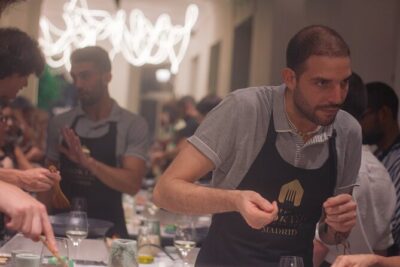
Paella Cooking Class in Madrid with Bottomless Wine Pairing
Read our review →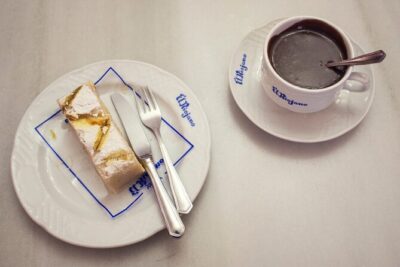
Madrid Historic Centre Food Tour with Authentic Tapas & Wines
Read our review →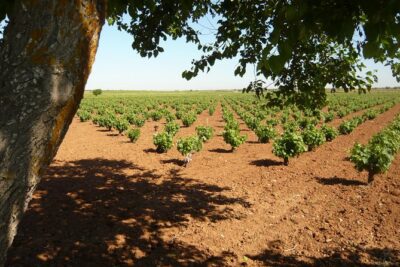
Madrid Countryside Wineries Guided Tour with Wine Tasting
Read our review →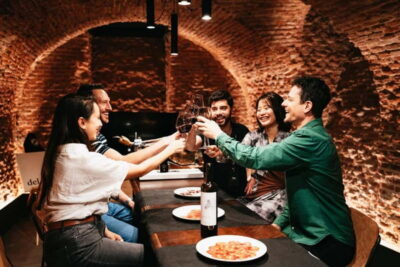
Old Madrid Tapas and Fine Wine Small Group Tour
Read our review →Browse the lists this tour appears in