
Reviewed · HALF-DAY
Madrid: Half-Day Spanish Cooking Class
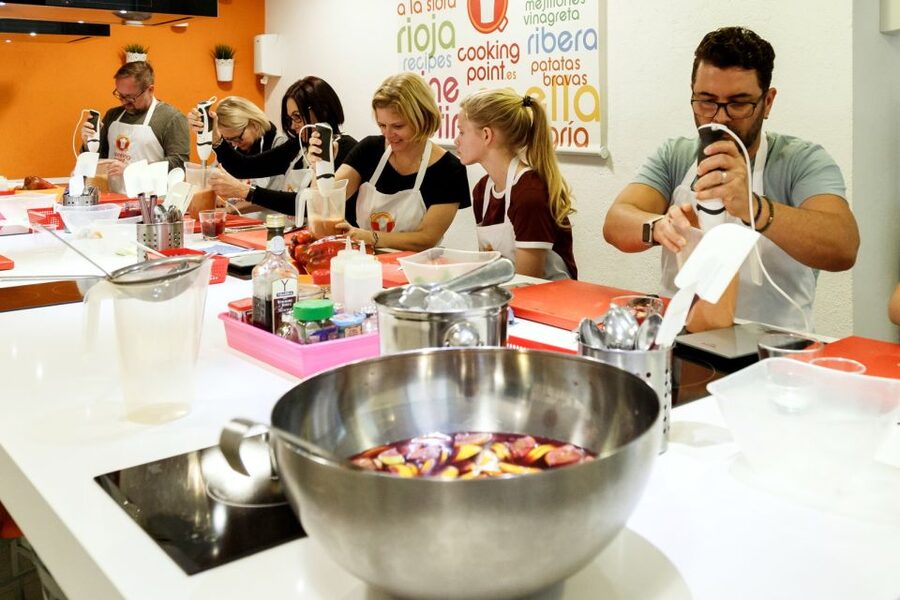
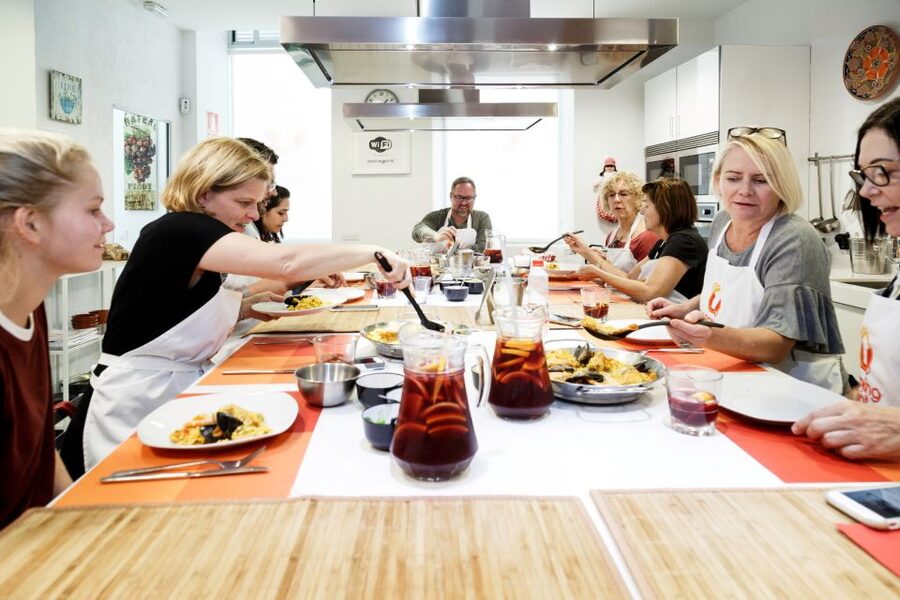
Madrid has no shortage of great food stops, but this experience is interesting because you do the cooking, not just watch it. In a 4-hour chef-led class in the Community of Madrid, you choose between a paella morning with a market run, or a tapas evening with a full set of small plates.
I like two things a lot. First, the market shopping part (only on the paella option) turns the meal into something you understand, not just something you eat. Second, the class ends with you sitting down together for what you made, with sangria included.
One consideration: there’s no hotel pickup, and the meeting point can vary depending on the option you book. Also, you cook in pairs, so if you’re traveling solo, you’ll be assigned a partner.
Key Things I’d Watch for
- Pick paella morning for the market, so you learn what locals buy and why, before you cook.
- Tapas evening is a fast group dinner, with 5 tapas plus dessert planned around a casual meal flow.
- Hands-on instruction in English, with hosts such as Angel, Eduardo, Teresa, and Elisa praised for clear step-by-step teaching.
- You eat what you cook, and the portions feel built for sharing at the table, not tasting.
- Dietary needs can be accommodated, including allergies and intolerances.
- Pair cooking setup, so solo travelers are matched with a partner.
Paella Morning With Mercado Shopping and Pan-Perfect Rice
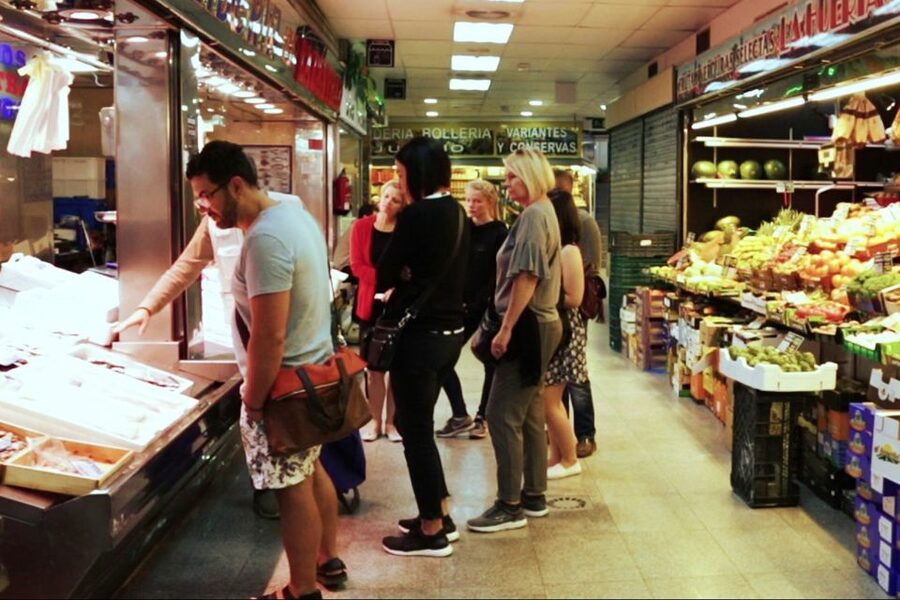
If you want a Madrid food day that feels practical and local, choose the morning paella class. It starts with a market visit where you shop for the groceries you’ll use in class. That matters more than it sounds. You get to see how people actually pick ingredients, and you’ll hear stories and habits around what you’re buying, including details that chefs use to guide the final result in the pan.
In particular, I like that you’re not just buying “seafood” or “meat.” You’re selecting specific items for a mixed paella, and the whole point is to connect ingredient choice to cooking technique. In some classes led by hosts like Eduardo, the market part can get especially specific, including guidance around hams and how they’re handled and used.
After shopping, you head back to the school and get organized for the cooking. The class focuses on a mixed paella of chicken and seafood, plus two other dishes that balance the meal: gazpacho and sangria.
Here’s what makes this trio smart:
- Paella is the “main event,” where you learn how to build flavor and manage timing.
- Gazpacho is the cool, bright counterpoint. It also teaches that Spanish menus often mix hot and cold for balance.
- Sangria is the social finish that turns dinner into an event, not just a class.
You’ll also work through small practical steps, like handling seafood properly. One recurring tip from classes with chefs like Angel is advice such as how to devein prawns, which is the kind of detail that helps home cooks avoid that slightly off taste.
A potential drawback with the morning option is your energy level. You’re doing market walking plus cooking, all in one stretch. If you’re the type who hates early starts or you’re arriving in Madrid that same day, you might prefer the evening tapas class.
A few more Madrid tours worth comparing
- Spanish Cooking Class Paella Tapas and Sangria in Madrid
★ 5.0 · 1,340 reviews - Paella Cooking Class in Madrid with Bottomless Wine Pairing
★ 5.0 · 985 reviews - Madrid Tapas & Paella Cooking Experience with Local Market Visit
★ 5.0 · 432 reviews
Tapas Evening: Five Plates, One Casual Spanish Dinner Party
The evening tapas class is for you if you’d rather start later and still leave with real cooking skills. Instead of a market tour, you jump straight into a guided menu you cook yourself.
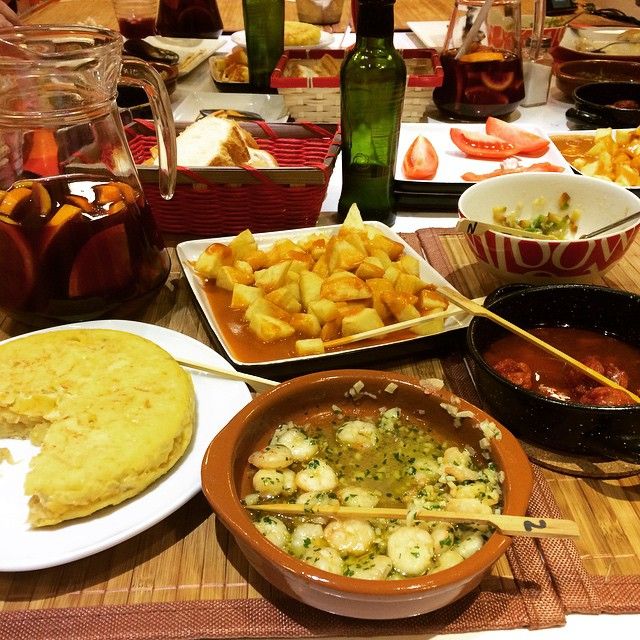
The tapas option is built as a complete casual dinner. You cook your own menu of 5 tapas, plus one dessert and sangria. The dishes are classic and varied, which is great for beginners because you learn techniques that show up across Spanish home cooking.
Your tapas list includes:
- Spanish potato omelet (often called tortilla española)
- Garlic shrimp
- Chorizo in apple cider
- Patatas bravas
- Tomato bread with ham
And for dessert, you make Catalan crème.
What I like here is the pacing and mental clarity. Each tapa teaches something different, so you don’t end up with one “big skill” you only sort of understand. Garlic shrimp trains you for quick heat and timing. Patatas bravas pushes you to treat potatoes as more than a side. Chorizo in apple cider adds a sweet-savory angle that many people don’t realize is part of everyday flavor building.
Because the class includes sangria, it also works well as an activity that doubles as a low-key dinner plan. Many people go in thinking they’ll spend the night learning. They end up enjoying it as a night out with food at the center.
If you’re traveling with kids, this option can be a winner too. Reviews mention families where children enjoyed the experience, and tapas formats tend to feel less intimidating than cooking a single large dish.
What You Actually Cook, Eat, and Take Home
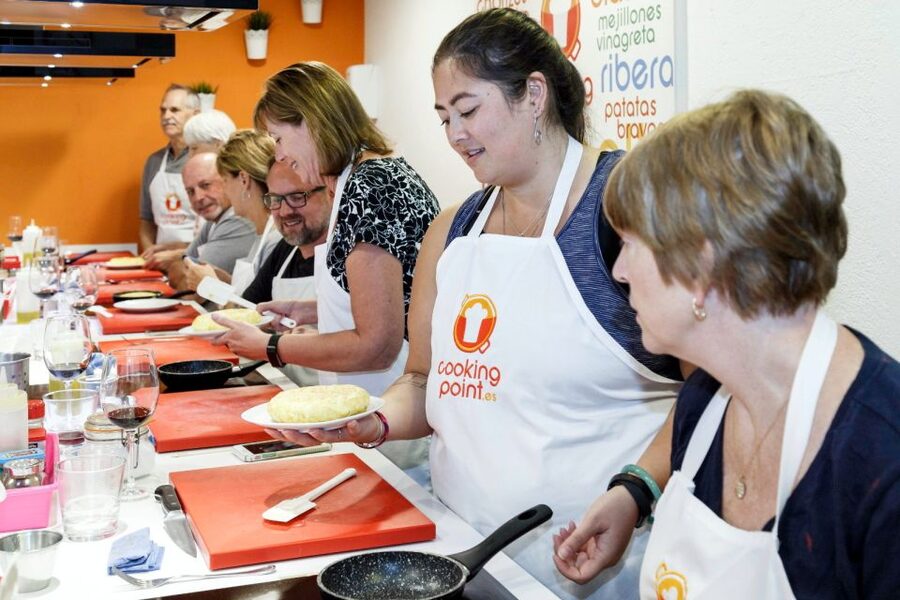
This is a hands-on class, meaning your hands are busy from start to finish. You cook your dishes with direction from an English-speaking chef, then you eat the meal you made at the table.
That ending matters. A lot of cooking classes teach you steps, but you never quite know how the finished plates should taste together. Here, the structure pushes you to build a full menu and then experience how it lands as a real Spanish meal.
For the paella morning, the full menu you’ll make includes:
- Mixed paella (chicken and seafood)
- Gazpacho (cold tomato soup)
- Sangria
And you’ll also get the market shopping experience that supports those flavors.
For the tapas evening, your full menu includes:
- 5 tapas: tortilla, garlic shrimp, chorizo in apple cider, patatas bravas, tomato bread with ham
- Catalan crème
- Sangria
You also receive a recipe booklet. That’s useful for two reasons. First, you can recreate the dishes later without relying on memory. Second, recipes let you compare what you made to what you think you should be doing, which helps you improve rather than just repeat.
How the Class Works in the Kitchen (And Why That Pair Setup Helps)
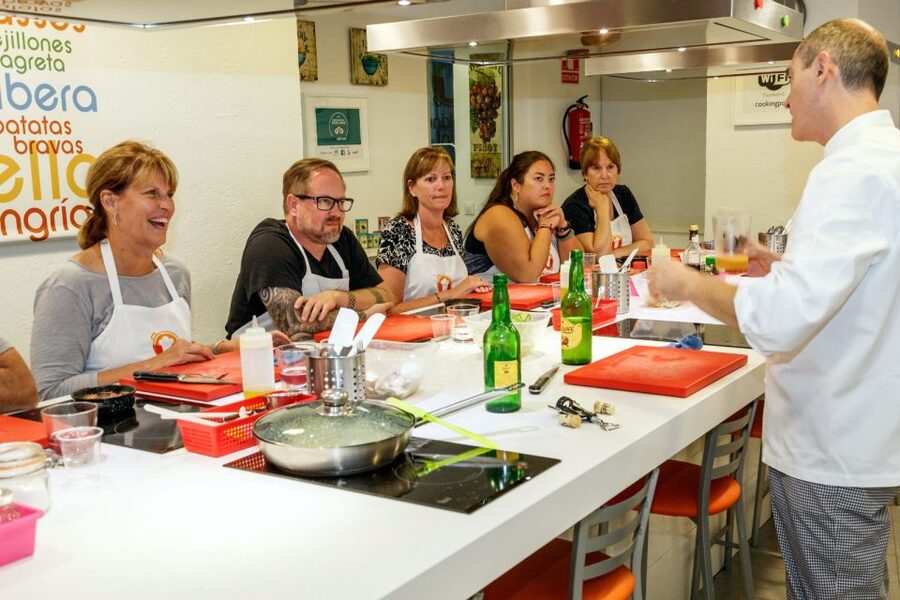
Cooking classes can feel awkward when you’re alone, but the format here is built around working in pairs. If you go solo, you’ll be assigned a cooking partner.
That pairing matters more than it sounds. It keeps the class from slowing down. It also makes it easier to ask questions without waiting for the chef to notice you. From the way chefs teach, you can tell they expect you to be active, not passive.
The other practical detail I appreciate is that the instruction is in English. Hosts like Angel, Eduardo, Teresa, and Elisa are praised for clarity and step-by-step guidance, which is exactly what you need if you’re a beginner but still want technique, not just instructions you can’t apply.
You’ll usually start with setup, then move through cooking steps dish by dish. Expect guidance on timing and ingredient handling, especially where Spanish cooking can be sensitive to small changes, like seafood prep or how potatoes move from raw to crisp.
Also, the kitchen is set up so you have the tools and space to do the cooking. Reviews specifically call out clean, well-appointed classrooms and an atmosphere that stays relaxed rather than stressful.
Still in Madrid, a different sort of afternoon:
- Madrid: Tour Bernabéu Entry Ticket
★ 4.5 · 21,573 reviews - Madrid: Prado Museum Entry Ticket
★ 4.6 · 17,509 reviews - Madrid: “Emociones” Live Flamenco Performance
★ 4.8 · 12,866 reviews - Madrid: Panoramic Route City Tour
★ 4.1 · 12,259 reviews
Price and Value: Does $100 Make Sense?
At $100 per person for a 4-hour class, the price feels high on paper, but the value is easier to see when you break down what’s included.
You get:
- All ingredients and drinks
- A recipe booklet
- Market tour for the paella option
- The full lunch or dinner built from your own cooking
So you’re not just paying for “a lesson.” You’re paying for an entire food experience, including the shopping component (for paella), the labor of a trained chef, and the meal itself. When you factor in that sangria is part of the session and that you finish by eating multiple dishes, the cost lines up better than many shorter or “light tasting” classes.
In plain terms: if you’d normally spend money on dinner plus a food activity, this can end up being a good deal because you leave with real cooking skills and not just memories.
That said, it’s still a commitment. If you only have one free evening or you want a more spontaneous plan, you might compare this to other food tours that include walking and tastings. But if your priority is learning how to cook Spanish dishes you can actually repeat at home, this price starts to feel fair fast.
Who This Is Best For (And Who Might Want Another Option)
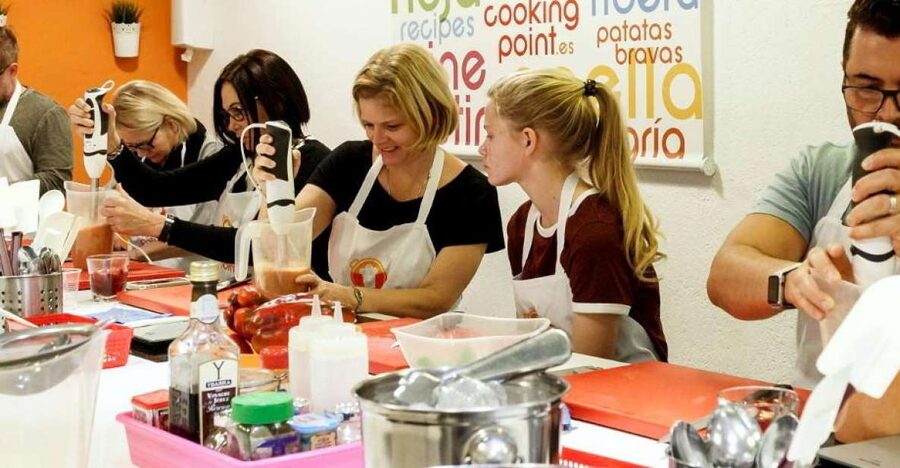
This class fits a few specific traveler profiles really well:
First, beginners who want confidence. The chefs are praised for clear explanations and easy-to-follow directions, which matters when you’re learning technique rather than copying a recipe blindly.
Second, families. Reviews mention cooking with kids and families having a great time. Tapas formats can be especially child-friendly because there are multiple small dishes and a shared meal payoff.
Third, solo travelers. Pair cooking removes the usual solo awkwardness. One review notes that even when someone went alone, they didn’t feel bored, because the class stays interactive.
Fourth, food lovers who want cultural context. You’ll learn ingredients and habits linked to Spanish food, not just steps. In some classes, the chef’s stories can add a lot, such as explanations tied to markets and how people shop.
Who might not love it:
If you hate staying in one place for a full half-day or you prefer a purely sightseeing-based day, this is still a cooking-focused event. It’s not a walking tour. It’s a kitchen experience.
Smart Tips So You Get the Most From Your 4 Hours
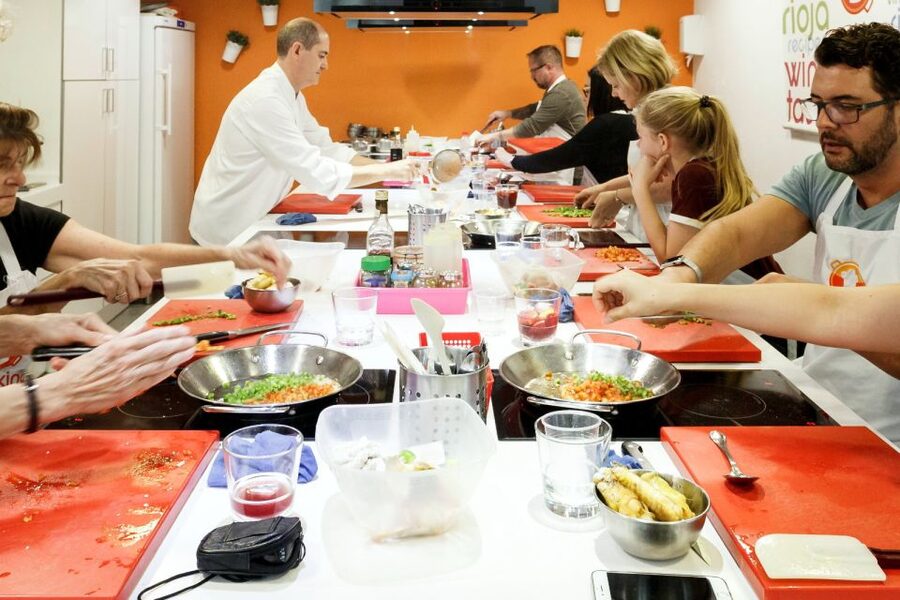
A few practical moves help you get the most out of either option:
- Bring a realistic appetite. You cook a lot and then eat everything you make. Plan your schedule so you’re hungry when you arrive.
- Take mental notes on technique, not just ingredients. The best home results come from understanding heat control, timing, and handling. That’s where the chef stories and step-by-step guidance pay off.
- Ask about substitutions if you have dietary restrictions. The class states that allergies and other dietary needs can be accommodated. It’s worth telling the provider ahead of time and checking what changes are possible.
- If you’re going solo, be ready to cook with a partner. It’s built into the format, and it often makes the experience feel social quickly.
- Choose paella morning if you like markets. If you enjoy watching how locals shop, paella morning gives you that extra layer before you start cooking.
Should You Book This Madrid Cooking Class?
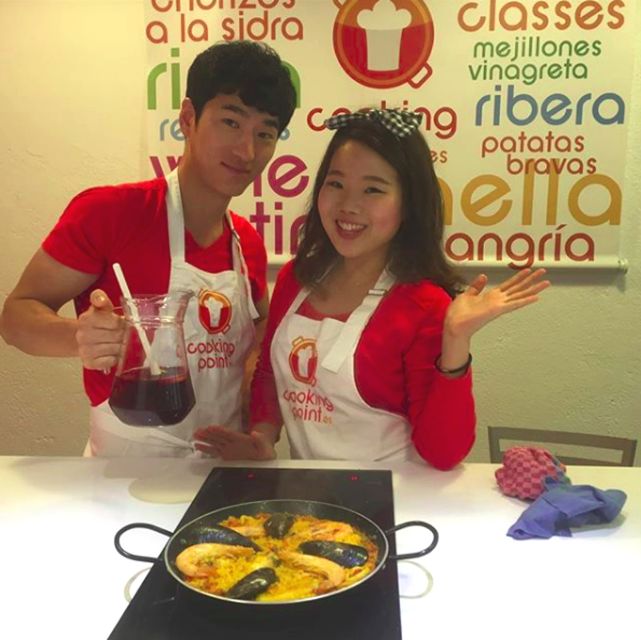
I’d book it if you want a hands-on Spanish meal with structure, good teaching in English, and a real payoff at the table. The strongest reason to choose it is simple: you cook your own menu and then eat it, with sangria included and recipes to take home.
Pick the paella morning if the market visit sounds like your kind of Madrid. The chance to shop for the exact ingredients you’ll cook makes the whole day feel more grounded and practical.
Pick the tapas evening if you want a lighter commitment with a full dinner format. You still get multiple dishes, dessert, and sangria, and it can feel more like an evening out than a morning project.
If you want a food experience that teaches you skills you can repeat, this is one of the most direct ways to do it in Madrid.
FAQ
Is this class paella in the morning or tapas in the evening?
You can choose. The morning option is a paella class that also includes a market visit. The evening option is a tapas class with cooking focused on tapas, dessert, and sangria.
How long is the cooking class?
The duration is 4 hours.
Do I need to know Spanish to join?
No. The instructor is English.
What do I cook in the tapas class?
In the evening tapas option, you cook 5 tapas, plus one dessert (Catalan crème) and sangria. The tapas include potato omelet, garlic shrimp, chorizo in apple cider, patatas bravas, and tomato bread with ham.
What do I cook in the paella class?
In the paella morning option, you cook a mixed paella (chicken and seafood), plus gazpacho and sangria after shopping at the market.
Are ingredients and drinks included?
Yes. All ingredients and drinks are included, along with a recipe booklet. Lunch or dinner is included as well (paella morning uses lunch, tapas evening uses dinner).
Can the class accommodate allergies or dietary needs?
The activity states that food allergies, intolerances, and dietary requirements can be accommodated.
Recently reviewed around Madrid
- Tour en Tuk Tuk por lo mejor de Madrid★ 3.4 · 13 reviews
- From Madrid: Toledo Day Trip with Cathedral and 8 Monuments★ 4.3 · 32 reviews
- From Madrid: Toledo Guided Day Trip with Cathedral Admission★ 4.4 · 79 reviews
- Madrid: Tasty Tapas Tour & Visit to a Terrace with Views★ 4.5 · 118 reviews
- Madrid: Spanish Tapas Tour★ 4.3 · 7 reviews
- From Madrid: Best of Sevilla Day Tour with Train Transfers★ 4.6 · 40 reviews
- Tapas Food Tour with Dinner in Madrid★ 5.0 · 6 reviews
- Small Group Prado Museum Guided Tour with Skip the Line★ 4.2 · 106 reviews
Half-Day, compared.

Toledo Half-Day Tour with St Tome Church & Synagoge from Madrid
Read our review →


Half-Day Trip from Madrid: Alcalá de Henares & Winery Visit
Read our review →
Browse the lists this tour appears in