
Reviewed · TICKETS
Madrid: Faunia Entry Ticket
Faunia is interesting because it compresses a whole bunch of ecosystems into one day in Madrid, from tropical rain to polar ice and everything in between. You get ticket choices that fit your group, so you can move straight into the park instead of fussing around at the counter. I like that it feels built for a full family day, not just a quick stop, and I also love the sheer animal variety across themed zones.
What I like most is the way the park turns those themes into practical, walkable sections: 15 themed areas with 4 ecosystem settings helps you plan your day without guessing. Another big plus is the focus on conservation and learning, with talks and interactive sessions built around animals like penguins, manatees, and sea lions.
One drawback to keep in mind is maintenance. I saw one note that the park was not well maintained, so it is smart to bring flexible expectations and good shoes, since you will be spending time outdoors.
Key things to know before you go

- Skip the ticket line with a pre-booked entry ticket, so your day starts moving faster
- 15 themed areas across 16 hectares means lots to see without needing extra add-ons
- Expect animal encounters and educational talks tied to marine mammals, birds of prey, and more
- Plan around the big “ecosystem jumps,” like The Jungle to The Poles, since each zone changes the vibe
- Conservation is part of the story, with ties to Parques Reunidos Foundation and EAZA
Faunia’s themed ecosystems, in one stress-free ticket

Faunia is a nature and animal park spread over 16 hectares, and the best way to think about it is like a choose-your-own-adventure book, but with real animals. You are not limited to one habitat. You move through different environments that are meant to mirror where species would naturally live, from tropical heat to icy polar conditions.
The ticket you are buying here matters because it removes the usual friction. When you pre-book your entry, you can skip the ticket line and focus on the park itself. For a one-day visit, that small time savings adds up fast. Madrid is a city where you can easily lose an hour just getting set up, so anything that speeds up the start is good value.
Price-wise, the entry ticket is $27 per person for the day. That is not a bargain deal, but it lines up with a full-day attraction where you are paying for time, animal variety, and structured experiences such as talks and interactive sessions. If you came to Madrid with kids, or you just want a day that is not centered on museums, it is the kind of ticket that can feel like it earns its cost.
A few more Madrid tours worth comparing
- Madrid: Tour Bernabéu Entry Ticket
★ 4.5 · 21,573 reviews - Madrid: Prado Museum Entry Ticket
★ 4.6 · 17,509 reviews - Avila & Segovia Tour with Tickets to Monuments from Madrid
★ 5.0 · 9,762 reviews
How to use your day: a simple route through The Jungle to The Poles
The biggest mistake people make in parks like this is wandering randomly. Faunia is large, and it is divided into themed spaces, so I recommend you treat it like a route.
Start with a big, obvious zone early, then work your way through the habitats. For Faunia, that usually means beginning in The Jungle.
The Jungle: tropical storm mood, and a lot of color
In The Jungle, the atmosphere is set to feel like a tropical environment, including heat and rain that resembles a storm. This matters because it changes how you experience the animals. You are not just looking at enclosures, you are moving through a habitat theme that is trying to recreate the right conditions.
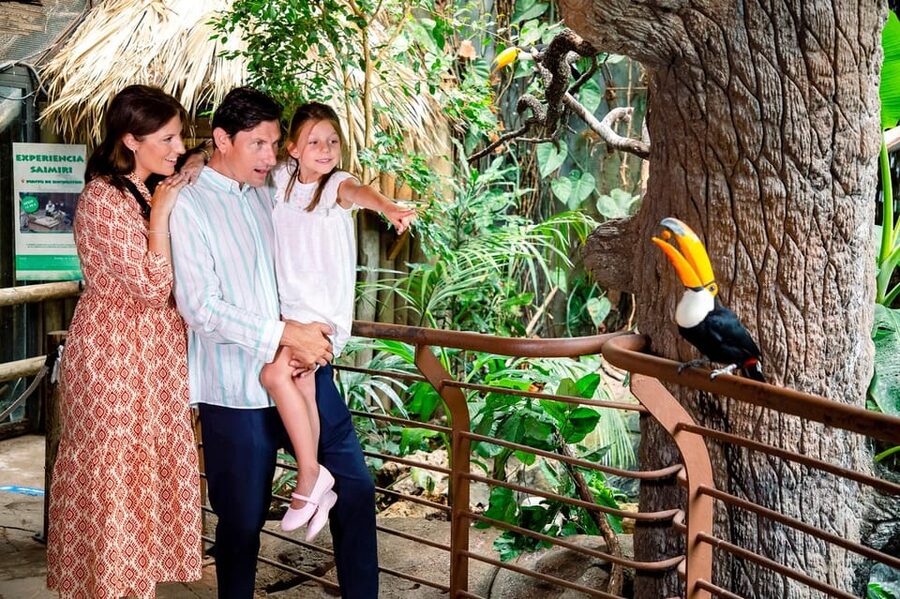
Here you can look for manatees, macaws, toucans, and different species of titis. The mix is the hook. It is rare to see a set of zones where you can go from birds to marine mammals within the same thematic stretch, so it keeps the day from feeling repetitive.
Practical note: expect this area to feel hotter and wetter than some other parts of the park. If you are sensitive to humidity, plan to dress in light layers you can adjust.
The Poles ecosystem: penguins first, then underwater action
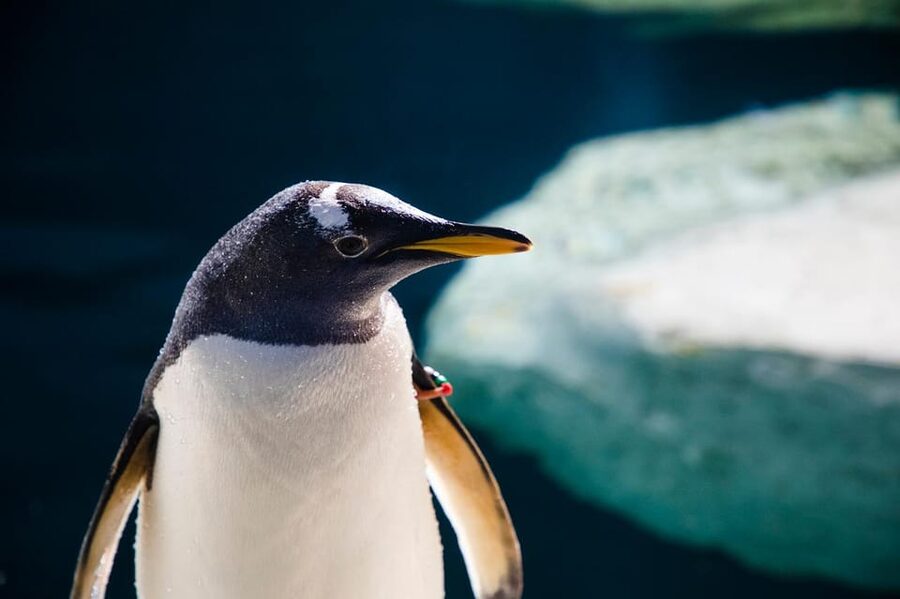
Next comes The Poles ecosystem, where the park leans hard into the polar concept. You will find over 100 penguins across six species. That is the kind of number that makes a difference. You are not waiting around for a single bird to appear. You get a crowd of penguins, and they are part of a larger polar setup.
The highlight in this zone is the underwater racing. Faunia presents it as Europe’s largest Polar Ecosystem, and the idea is you can watch how the penguins move in and around the water.
If you like marine animals, this is one of the most satisfying sections because it has both the land and the water angle.
Still in Madrid, a different sort of afternoon:
- Madrid: “Emociones” Live Flamenco Performance
★ 4.8 · 12,866 reviews - Madrid: Panoramic Route City Tour
★ 4.1 · 12,259 reviews - Madrid: Live Flamenco Show with Food and Drinks Options
★ 4.5 · 9,901 reviews - Three Cities in One Day: Segovia, Avila and Toledo from Madrid
★ 5.0 · 8,402 reviews
African Forest inspired by Madagascar
Then you can head to the African Forest, inspired by Madagascar. This is where the park switches from birds and penguin energy to something a bit more focused on primates and distinctive personalities.
You can see three species of lemurs, plus lots of brightly colored birds. If you want an animal “moment” that feels less like a routine exhibit and more like a living habitat, this is a strong bet.
Temperate Forest: the calmer middle
After the big extremes, the Temperate Forest feels like a reset. Here you are looking at animals from temperate regions, including muntjac, mazama, and the demoiselle crane.
This is also a good zone for slowing down. The day can get fast if you power through every habitat back-to-back. Temperate areas are often visually and behaviorally less frantic, so you may find it easier to spot individual animals and enjoy the pacing.
The themed areas you should not skip after you’ve seen the main ecosystems

Faunia’s ecosystems are the big blocks, but the themed areas are where the park keeps surprising you. After you do Jungle, Poles, African Forest, and Temperate Forest, you still have a lot of additional spaces to explore.
Think of these as mini-adventures inside the bigger map.
Nocturnal Zone under the full moon lighting
One standout themed space is the nocturnal zone, illuminated by a full moon effect. The goal is to shift the feel into nighttime conditions.
You may see ocelots, two-toed sloths, and aardvarks. This is a smart section to plan for if you want variety in animal behavior, not just variety in species.
If your group gets tired, this is still worth a stop because the lighting and the animal list give it a different vibe than the daytime habitats.
Mysteries Under the Earth: karstic cave creatures
Next, head to Mysteries Under the Earth, which is set up like a karstic cave. This is where the park leans into unusual, sometimes strange-looking animals that you do not always get in standard zoos.
Look out for naked mole-rats and frilled lizards. The fun here is the setting. You get that “what is that place?” feeling when you move into the cave theme.
Australian meadow: Bennett’s wallabies
Faunia also includes an Australian meadow where you can meet Bennett’s wallabies. This adds another continent flavor to the day, and it helps balance the heavier polar and tropical sections you saw earlier.
Mangrove zone: Nile crocodiles
The mangrove area brings in a mix of water-edge ecology and reptile energy, with Nile crocodiles. If you like watching animals that look powerful and ancient, this section is a good payoff.
Venomous animal area: snakes, spiders, and jellyfish
Faunia also features an area for venomous animals, with snakes, spiders, and jellyfish. This part is not for everyone emotionally, but it is part of the park’s educational approach to how animals survive and how ecosystems function.
If your group is squeamish, you can skim this section and return later, but it is worth a quick look because it broadens what you see beyond the cuddly favorites.
Educational talks and interactive sessions: where the day becomes more than walking
Faunia is not just a set of enclosures. It includes educational activities and talks, and that matters if you want the visit to feel purposeful rather than random.
You can find talks about marine mammals, birds of prey, and other representative species. Those topics connect directly to some of the animals the park highlights, such as sea lions, manatees, penguins, pelicans, and crocodiles.
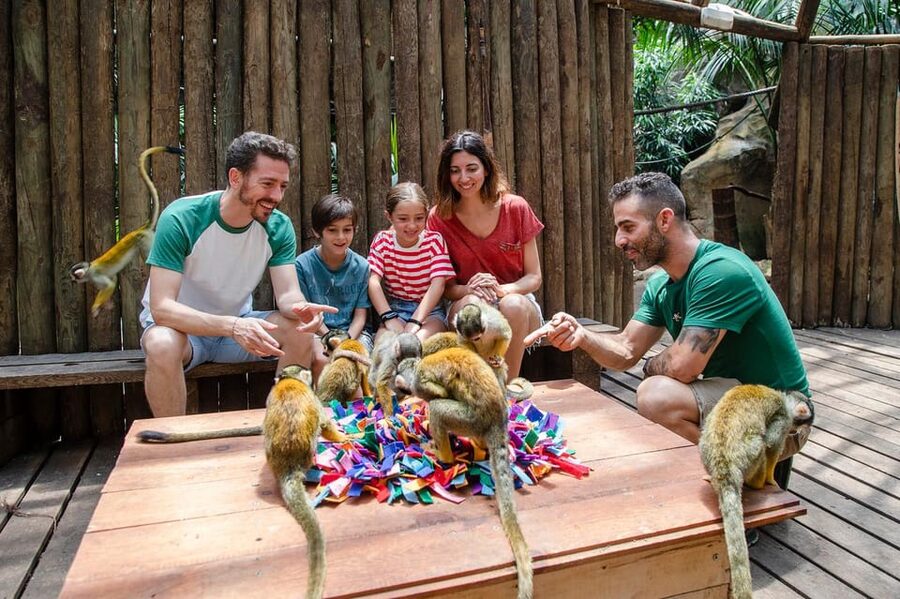
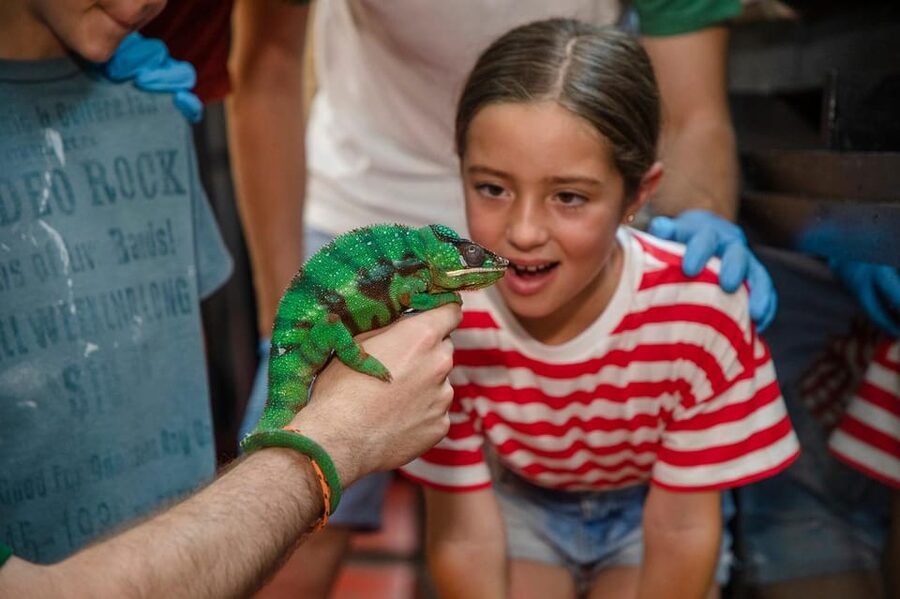
There are also interactive sessions where you can get up close to animals including sea lions, manatees, penguins, pelicans, and crocodiles. I see this as a value factor. If you come away learning something specific, the ticket feels easier to justify.
The other learning angle is conservation. Faunia works with the Parques Reunidos Foundation and EAZA, which is a strong sign they are not treating the park as pure entertainment.
Who this Faunia ticket is best for
Faunia is a great fit if you want one day that stays varied. You can see many species across several ecosystems without leaving the park, and the themed layout helps you keep your bearings.
Families
It is designed for families, and the ticket is offered in different categories based on height: adults are 140 cm and above, children are 100 cm to 140 cm. Children under 100 cm do not need a ticket.
That height-based system is helpful when you are traveling with kids, because it removes guesswork about which fare applies.
Wildlife lovers who want variety
If you like animals but you also like variety, this park hits the sweet spot. You can go from tropical jungle birds and marine mammals to polar penguins and cave creatures in the same day.
People who want a break from Madrid sightseeing
Madrid has plenty of walking and plenty of galleries. Faunia gives you a different kind of day, with a clearer focus on one topic: animals and habitats.
Value check: is $27 a good deal for a one-day pass?
At $27 per person for a one-day entry ticket, the value depends on how you like to spend your travel time.
If you are the type who hates buying tickets on arrival and standing in lines, pre-booking is practical. Skip the ticket line, then you can spend your money on experiences inside the park rather than on time lost at the entrance.
If you are hoping to see just one animal exhibit, the ticket will feel heavy. But if you want to move through multiple themed areas and take in talks and interactive sessions, you are paying for a full-day program.
Given how Faunia lays out 15 themed areas and an ecosystem approach, it makes sense to treat it as your main activity for the day.
Things to consider so your visit feels smooth
A few practical pointers, based on what Faunia is and how it is set up:
- Give yourself enough time. This is a park on 16 hectares. Even without a strict schedule, you will want more than a quick loop.
- Expect weather shifts. The Jungle is designed with heat and rain effects. Dress for comfort and be ready to adjust.
- Don’t plan your day around pets. Pets are not allowed, but assistance dogs are allowed.
- Plan for kid logistics. Unaccompanied minors are not allowed, so make sure an adult is with any child traveling on their own.
- Bring patience about upkeep. One negative note you should take seriously is that the park might not always be well maintained. If you are sensitive to that kind of detail, mentally frame it as an outdoor, living space rather than a pristine showroom.
Should you book the Madrid Faunia entry ticket?
Yes, I think you should book this ticket if you want a single-day wildlife experience in Madrid that covers a lot of habitats without extra planning. The skip-the-ticket-line angle helps, and the combination of themed areas, education talks, and interactive animal sessions makes it more than just a walk-through.
You might pass if you are very particular about cleanliness and maintenance. One review flagged that issue, and since Faunia is spread across outdoor spaces, that could matter to your comfort.
If you go in with flexible expectations and a plan to see the big zones first, you are likely to end the day with that satisfied feeling that you saw far more than you expected in one location.
FAQ

What does the ticket include?
The entry ticket is included. It is for Faunia entry and is designed to help you skip the ticket line.
How long is the ticket valid?
It is valid for 1 day. You should check available starting times.
Can I get a refund if my plans change?
No. This activity is non-refundable.
Is Faunia wheelchair accessible?
Yes, the experience is listed as wheelchair accessible.
Are pets allowed inside Faunia?
Pets are not allowed, but assistance dogs are allowed.
Are bikes allowed?
No, bikes are not allowed.
How do ticket prices work for children?
Adults are 140 cm and above. Children are 100 cm to 140 cm. Children under 100 cm do not need to purchase a ticket.
Are unaccompanied minors allowed?
No, unaccompanied minors are not allowed.
Recently reviewed around Madrid
- Tour en Tuk Tuk por lo mejor de Madrid★ 3.4 · 13 reviews
- From Madrid: Toledo Day Trip with Cathedral and 8 Monuments★ 4.3 · 32 reviews
- From Madrid: Toledo Guided Day Trip with Cathedral Admission★ 4.4 · 79 reviews
- Madrid: Tasty Tapas Tour & Visit to a Terrace with Views★ 4.5 · 118 reviews
- Madrid: Spanish Tapas Tour★ 4.3 · 7 reviews
- From Madrid: Best of Sevilla Day Tour with Train Transfers★ 4.6 · 40 reviews
- Tapas Food Tour with Dinner in Madrid★ 5.0 · 6 reviews
- Small Group Prado Museum Guided Tour with Skip the Line★ 4.2 · 106 reviews
Tickets, compared.



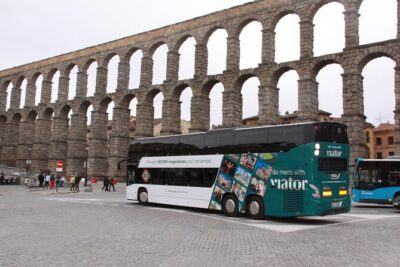
Avila & Segovia Tour with Tickets to Monuments from Madrid
Read our review →

Avila and Segovia Day Trip with Tickets to Monuments
Read our review →
La Cueva de Lola Flamenco Show Tickets with Drink
Read our review →