
Reviewed · ÁVILA DAY TRIPS
Avila: Cathedral Entry Ticket with Audio Guide
Ávila’s Cathedral is interesting because it is a layered stone story, Romanesque foundations wearing Gothic clothes. I love that you get to tour at your own pace with an audio guide, and I love specific sights like the star-shaped cupola above the 13th-century sacristy. One thing to consider is that the visit can feel a bit route-dependent, so if the signage or audio timing seems off, you may need to slow down and re-orient.
You’ll start where the cathedral once connected to the city walls, then move through nave and chapels where the architecture shifts from red-and-white Romanesque stone to white Gothic stone. I also like how the stop list is practical, you see the altarpiece, key chapels, the treasury area, and then you land in the quiet cloister. The cathedral is still a living place, so liturgical events can affect what you can see and when.
Plan to spend enough time, because last access is 30 minutes before closing. Also, tours require the obligatory use of a guide, even though the experience includes an audio guide, so you’ll get more out of the visit if you coordinate with that live guidance instead of treating it like a solo museum walk.
Key things to know before you go
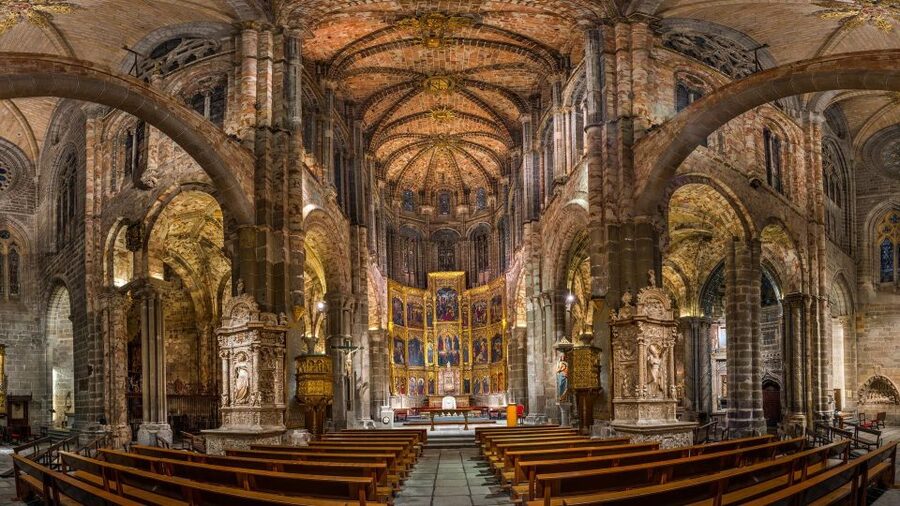
- Star-shaped cupola above the 13th-century sacristy, a standout architectural moment
- Romanesque to Gothic transitions you can literally watch as you move through the building
- Art in the chapels, including works by Pedro Berruguete and Juan de Borgoña
- Cloister calm at the end, with ribbed vaults and large Gothic-style windows
- Audio guide in multiple languages (Spanish, English, French, Italian) so you control the pace
- Last access is strict, 30 minutes before closing, so don’t start too late
Ávila Cathedral entry with an audio guide: what you’re really buying
At about $11 per person, this ticket is mostly value for two things: entry to a major monument and an audio guide that helps you make sense of what can otherwise feel like “just more stone and arches.” The cathedral is widely known as the oldest Spanish Gothic cathedral, and even if you do not call yourself an architecture person, you’ll feel the shift in style as you walk.
You’re also not stuck in a long line, since this ticket is designed for skip-the-line entry. That matters in Ávila, where a short visit can turn into a time crunch fast. The experience is set up as a private group entry, which usually means you are not packed shoulder to shoulder, giving you room to pause for details.
You’ll tour with an audio guide in Spanish, English, French, and Italian, and the cathedral itself has strong visual anchors: chapels, an altarpiece, paintings, and that famous star-shaped cupola. The audio guide is what turns those anchors into a story you can follow without rushing.
More Ávila day trips from Madrid:
- Avila & Segovia Tour with Tickets to Monuments from Madrid
★ 5.0 · 9,762 reviews - Three Cities in One Day: Segovia, Avila and Toledo from Madrid
★ 5.0 · 8,402 reviews - Madrid: Avila and Segovia Day Trip with Tickets to Monuments
★ 4.6 · 4,568 reviews
When to arrive, and how to pace your visit so you don’t miss the big moments
Your ticket is valid for 1 day, with starting times depending on availability. That tells you the key strategy: pick the start time that matches your energy, not just your schedule. If you arrive late, you’ll get a shorter experience because last access is 30 minutes before closing.
Here’s how I’d pace it if you want the best odds of seeing everything calmly. Start by walking in with the mindset that you are moving through three phases: nave and key chapels, then the sacristy and star-shaped cupola area, then the cloister finish. Most people naturally spend less time in the middle section, but that’s where the cathedral’s “wow” details live.
Since the schedule may shift due to liturgical events, keep flexibility. If one chapel or section is restricted, ask your guide how to adjust the route rather than forcing your way through. The audio guide helps, but a living church is still a working site.
Getting oriented at the cathedral, starting from the city-walls connection
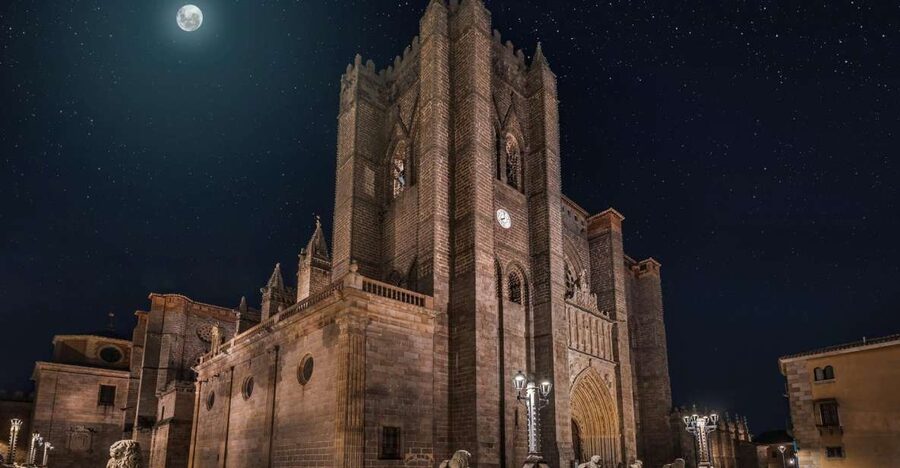
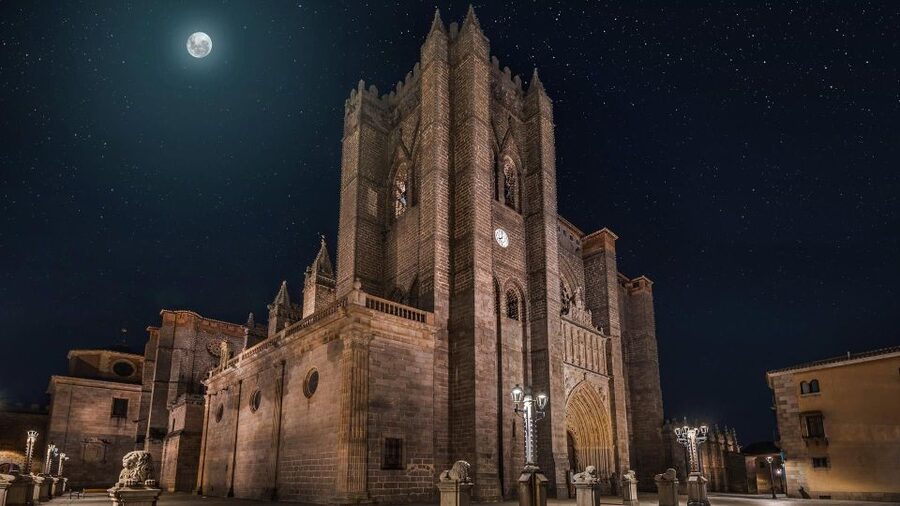
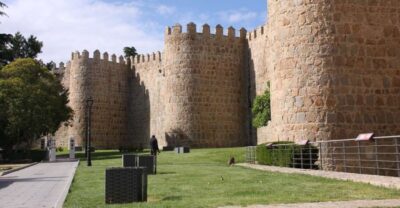
One of the coolest context clues is that the cathedral was initially part of the city walls. When you enter, you’re not just walking into a standalone building, you’re moving into a structure that grew out of Ávila’s defensive fabric.
This matters because it changes how you read the exterior and the first interior views. You tend to notice thicker masses, transitions in stonework, and a sense that this site was built to last. The cathedral does not feel like a single “finished” object, it feels like a series of decisions made over time.
Right after you enter, you’ll hear the audio guide and begin recognizing the cathedral’s two main language families: Romanesque and Gothic. The best way to use the audio is simple, pause when it points you toward the exact area you can see, then let your eyes catch up.
Romanesque red-and-white stone meets white Gothic stone
As you move through the interior, the architectural change is not just academic. It is visual and tactile in the way the stones and patterns read.
You’ll see Romanesque character with red and white stone contrasts, then shift to white Gothic stone as the design language becomes taller and more “drawn upward.” In a building this old, that contrast is your fastest path to understanding time layers.
If you’re worried about “I won’t know what I’m looking at,” you can rely on the audio guide to keep you pointed. But do yourself a favor, slow down at transitions. These moments are the ones you’ll remember later, because they are the clearest proof that the cathedral is more than one era.
A few more Madrid tours worth comparing
- Madrid: Tour Bernabéu Entry Ticket
★ 4.5 · 21,573 reviews - Madrid: Prado Museum Entry Ticket
★ 4.6 · 17,509 reviews - Madrid: Reina Sofía Museum Entrance Ticket
★ 4.5 · 6,889 reviews - Madrid: La Cueva de Lola Flamenco Show Tickets with Drink
★ 4.8 · 2,567 reviews
The nave: where the cathedral’s scale hits you
Once you’re in the nave, think of it as your reset. The audio guide helps you move from background to specifics, and the nave gives you a sense of height and rhythm. Even if you are short on time, the nave is where you can quickly confirm whether the cathedral’s scale feels worth the stop.
This is also a good place to listen to explanations that describe how the cathedral functioned and how architectural features relate to worship. When you walk through later chapels, those details start to click because you already formed a mental map.
If you’re sensitive to crowds, aim to start your walk early within your time slot. Even with a private group setup, a popular monument can draw people into the same corridors.
Chapels of Piety and Conception: art and devotion in close quarters
After the nave, you’ll move through chapels that focus on different devotions and viewpoints. The chapels of Piety and Conception are part of what makes the visit feel human, not just monumental.
This is where the cathedral stops being only about architecture. It becomes about objects you can stand close to. The audio guide helps translate why these spaces mattered, and it also keeps you from wandering too fast through rooms that can look similar if you don’t have cues.
One practical tip: when you enter a chapel, take 10 seconds to locate what you’re meant to look at. Then let the audio explain it. This keeps you from spending time “searching” visually.
Chapel stops you should not rush: Saint Ildefonso and Saint Teresa
The chapels dedicated to Saint Ildefonso and Saint Teresa are a key part of the route. This is where the cathedral’s interior variety becomes obvious, the building changes mood, light, and focus.
If you like religious art and symbolism, this is where you’ll feel the most payoff from an audio track. You are not only viewing the space, you’re getting context for what you’re seeing and why it sits here in Ávila’s oldest Gothic structure.
Take your time with the chapel area rather than sprinting to the star-shaped cupola. People often treat the cupola as the entire purpose, but the chapels are where the cathedral becomes layered and personal.
The altarpiece and paintings: Pedro Berruguete and Juan de Borgoña
The cathedral visit includes major artworks, including the altarpiece and paintings by Pedro Berruguete and Juan de Borgoña. These names matter because they tie the cathedral to Spanish art history, not just architecture.
If you have even a basic interest in painting, pause here and let yourself absorb what the artists were doing with composition and narrative. The audio guide helps you identify what you are looking at so you do not miss the story embedded in the scenes.
This part of the visit is also where it’s smart to go slowly if you like to read labels or watch details. The route is self-paced, but your time is still limited by closing and last access.
The 13th-century sacristy and the star-shaped cupola
Now for the headline act. Above the 13th-century sacristy, you’ll see the star-shaped cupola. It’s the kind of architectural feature that feels like a puzzle solved in stone.
This is a moment where the audio guide earns its keep. The shape is striking at a glance, but the explanation gives you a better sense of what makes it special and why it’s associated with the sacristy area and treasury.
When you approach the cupola viewpoint, stand where you can see the geometry clearly. Then take a moment to look without audio for a few seconds. After that, let the audio layer on meaning. That rhythm helps the detail stick in your memory.
Treasury area and then the cloister: the quiet payoff at the end
Your route concludes in the cloister, where the atmosphere changes again. The cloister is peaceful, and that calm is not accidental. It gives you a breather after the more information-dense chapels and art stops.
Here you’ll see ribbed vaults and large Gothic-style windows. This is a great place to check whether your brain actually retained what the audio said. If you remember the Romanesque to Gothic transition, you can now see it again through the cloister’s rhythm and structure.
If your group is small and private, you can usually enjoy the cloister without feeling constantly interrupted. But do not cut it too short, because this is where the visit often becomes satisfying rather than just “saw the sights.”
Audio guide experience: strong value, with one thing to watch
The audio guide covers the cathedral at your own pace and is available in Spanish, English, French, and Italian. That’s a big plus for value, because you get a guided narrative without paying for a full live tour format.
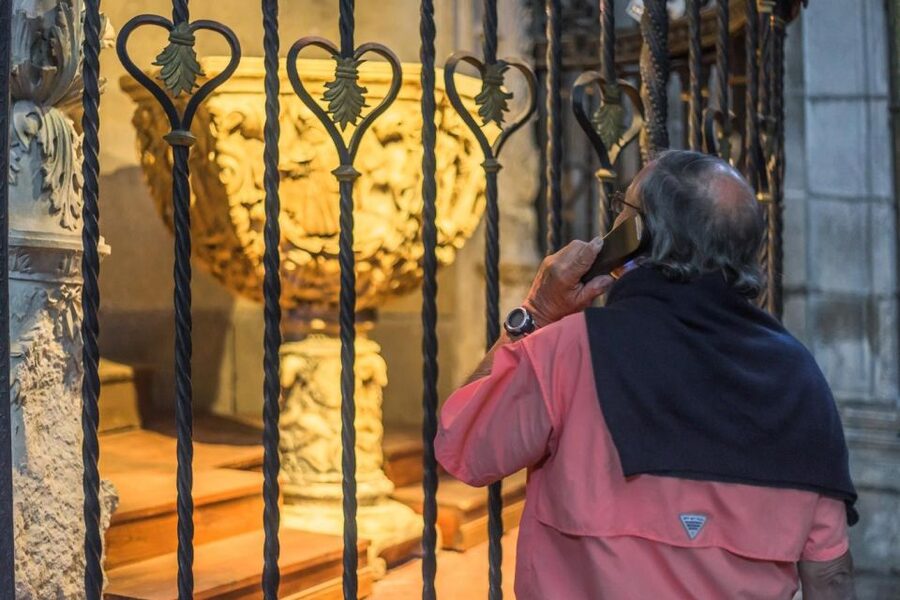
That said, there is one practical consideration. For at least one visit, the English audio clarity was not perfectly easy to follow, and the route was not always obvious. If English is your language, keep your eyes on the visual landmarks named by the audio. If you feel lost, it’s absolutely reasonable to pause and ask for help, especially since this type of visit includes mandatory guidance by a guide.
Also, headphones help your focus, but you still need silence enough to listen to where you are standing. The cathedral is built for attention, and the audio works best when you stop moving.
Value check: is $11 worth it for you?
For $11 per person, this ticket is strong value if you want to see a major cathedral without rushing and without paying for multiple extras. You get entry, audio in multiple languages, and skip-the-line entry, which together lower friction more than most people realize.
It’s especially good value if you like to travel independently inside big monuments. A cathedral can overwhelm you if you try to self-tour with no guidance, and that’s exactly what the audio guide helps prevent.
The main reason it might not fit you is if you prefer a fully narrated live experience and do not want to coordinate with a guide presence. Since the cathedral requires obligatory use of a guide for tourist visits, you should expect to engage with that live element at least a bit.
Who this visit suits best
This experience fits you if you:
- Want self-paced navigation inside a major historic church
- Like architecture changes you can visually track, Romanesque to Gothic
- Enjoy art stops and want help understanding what you’re seeing in chapels
- Prefer finishing in a calmer space like the cloister
It might feel less perfect if you:
- Only want a purely audio-free walk, because a guide is required for tourist visits
- Have limited mobility and want to move quickly, even though the site is wheelchair accessible, the building is still a real cathedral with changing spaces
Quick notes on rules inside the cathedral
To keep the visit smooth, follow the listed site rules. You cannot bring pets, and you should not smoke. Also avoid food and drinks, flash photography, or video recording, and do not bring alcohol or drugs.
If you travel with a camera, remember that flash is prohibited. If you want photos, plan on natural light and steady hands.
Should you book this audio-guide cathedral ticket?
I think you should book it if you want a dependable way to see Ávila’s Cathedral without spending your entire visit guessing. The star-shaped cupola, the chapel art by Pedro Berruguete and Juan de Borgoña, and the Romanesque-to-Gothic contrast are the kinds of details that reward an audio guide.
You should also book it if your schedule needs flexibility within the day, because the ticket is valid for 1 day and starting times vary. If your goal is to move calmly, listen well, and end in the peaceful cloister, this is a very good match.
If you’re the type who gets frustrated when a route is not perfectly obvious, plan to slow down at key transitions and lean on the required guide. With that approach, this ticket turns the cathedral into a clear, memorable walk rather than a maze.
FAQ
How much does the Ávila Cathedral entry ticket with audio guide cost?
The price is listed as $11 per person.
How long is the ticket valid?
The ticket is valid for 1 day. Starting times depend on availability.
What languages are available for the audio guide?
The audio guide is available in Spanish, English, French, and Italian.
Does this ticket include entry and an audio guide?
Yes. It includes the cathedral entry ticket and an audio guide.
Do I need to use a guide for the visit?
Yes. Tourist visits to the Cathedral of Ávila require the obligatory use of a guide.
When is last access?
Last access is 30 minutes before closing.
Is the cathedral visit wheelchair accessible?
Yes. The activity is listed as wheelchair accessible.
Recently reviewed around Madrid
- Tour en Tuk Tuk por lo mejor de Madrid★ 3.4 · 13 reviews
- From Madrid: Toledo Day Trip with Cathedral and 8 Monuments★ 4.3 · 32 reviews
- From Madrid: Toledo Guided Day Trip with Cathedral Admission★ 4.4 · 79 reviews
- Madrid: Tasty Tapas Tour & Visit to a Terrace with Views★ 4.5 · 118 reviews
- Madrid: Spanish Tapas Tour★ 4.3 · 7 reviews
- From Madrid: Best of Sevilla Day Tour with Train Transfers★ 4.6 · 40 reviews
- Tapas Food Tour with Dinner in Madrid★ 5.0 · 6 reviews
- Small Group Prado Museum Guided Tour with Skip the Line★ 4.2 · 106 reviews
Ávila Day Trips, compared.
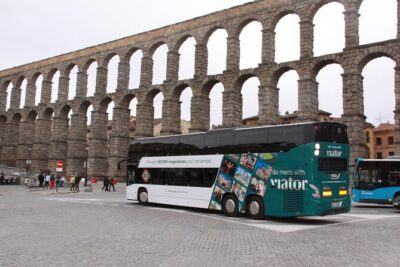
Avila & Segovia Tour with Tickets to Monuments from Madrid
Read our review →
Three Cities in One Day: Segovia, Avila and Toledo from Madrid
Read our review →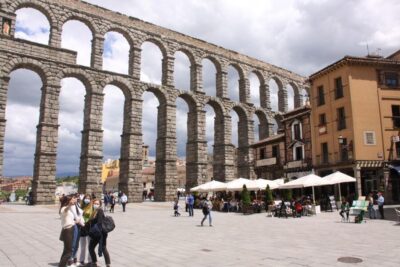
Avila and Segovia Day Trip with Tickets to Monuments
Read our review →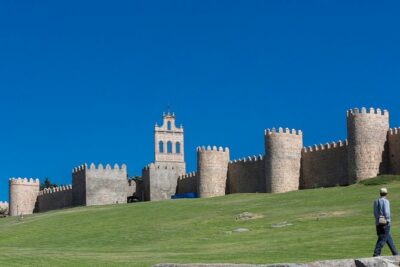
Avila with Walls and Segovia with Alcazar from Madrid
Read our review →
Segovia & Avila Day Trip with Optional Tickets
Read our review →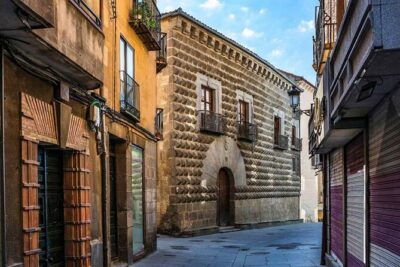
Browse the lists this tour appears in