
Reviewed · ARANJUEZ TOURS
Aranjuez: Garden of The Prince Entry Ticket and Guided Tour
Stepping into Aranjuez’s Prince’s Garden feels like walking through a living idea of power, science, and art all at once. I like that the tour is not just a stroll, you get a local guide who connects what you see with why it was built there. You’ll also learn the botanical and cultural backstory behind the garden’s signature corners, from grand fountains to quieter, less obvious paths.
One thing to plan for: this tour is not suitable for wheelchair users. If you rely on accessibility features, you’ll want to check with the provider before you go.
Key highlights you should know

- Guided navigation through major sights plus overlooked corners you might miss on your own
- Fountains, viewpoints, and islands that show how the garden’s design keeps changing your perspective
- Swiss Mountain viewpoint from the 18th century, including the kind of view that makes you pause without rushing
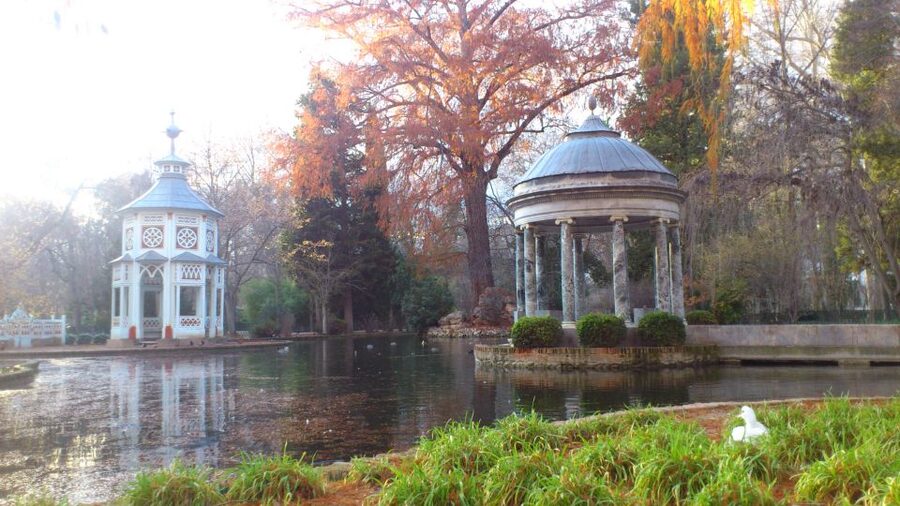
- Pond of the Chinescos and its Chinese-style gazebo, a standout story-driven stop
- Botanical and political context like foreign seedlings, cinnamon, and history tied to real power plays
Prince’s Garden with a guide: why it feels more than a walk

Prince’s Garden, or Jardín del Príncipe, sits in Aranjuez in the Community of Madrid, and it works because it gives you layers. Yes, it is beautiful. But it is also a botanical “how” and a cultural “why,” wrapped in walking routes that keep changing the scene as you go. The guided format matters here. Without context, a lot of the design can feel decorative. With context, it becomes a map of ambitions, connections, and experiments.
The best part is how the guide ties the visuals to the bigger story. One guide named Fran comes up in comments for being didactic and well prepared, and that matches the feeling you get when someone explains not only what you are looking at, but how it all fits into Aranjuez.
If you love history but hate museum lectures, this is a nice swap. You can follow the garden’s rhythm, stop where the story demands it, then keep walking with your eyes open. You’ll also understand why UNESCO recognizes this place as a cultural landscape, not just a pretty park.
More Aranjuez tours from Madrid:
- Day Tour to Chinchón, Aranjuez and Toledo from Madrid
★ 4.5 · 142 reviews - From Madrid: Guided Day Trip to Chinchon, Aranjuez & Toledo
★ 4.3 · 132 reviews - Aranjuez: Royal Palace Guided Tour
★ 4.5 · 93 reviews
Where you meet and how to prepare for the 2-hour visit
You meet your guide outside Café de Damas, on the corner of the square where Avenida de Palacio begins. Aim to arrive a few minutes early so you can start calmly. This tour is set for 2 hours, so you want comfortable pacing.
Bring comfortable shoes and comfortable clothes. Even if the route doesn’t sound extreme on paper, garden paths and sightseeing stops add up. If your feet run hot or you hate blisters, treat this like real walking time.
Language is Spanish, so if you’re not comfortable in Spanish, consider whether you can comfortably follow explanations. This is a live guided experience, not a quiet audio tour.
What’s actually included, and what you should not expect
Included:
- Entry into the garden
- Guided tour
Not included:
- Royal Palace
That last point is important. The garden tour centers on Prince’s Garden itself. Still, expect historical context about how the royal project shaped Aranjuez, because the garden’s story is closely tied to the same world of royal tastes and political power. The key idea is simple: you’ll hear how the palace fits in, but you won’t walk through the palace rooms on this ticket.
The first views: getting oriented in Prince’s Garden
Your tour experience starts with orientation, and that changes everything. I like guided garden tours most when the guide helps you read the space. You learn where to look first, how paths connect, and which areas are famous for a reason. In the best tours, you also learn what not to rush past.
As you move through the main sections, you’ll notice how the garden uses sightlines. Fountains and major features act like anchors. Smaller, quieter corners then feel like discoveries instead of just gaps between landmarks. The guide will also point out iconic spots as well as overlooked and secret areas, which is where a guided visit earns its ticket price.
This is also where you begin hearing the botanical thread. The garden is not only designed for aesthetics. It also reflects a practical curiosity about plants and how plant material traveled across borders.
A few more Aranjuez tours worth comparing
- Madrid: Tour Bernabéu Entry Ticket
★ 4.5 · 21,573 reviews - Madrid: Prado Museum Entry Ticket
★ 4.6 · 17,509 reviews - Madrid: Royal Palace Fast-Access Admission Ticket
★ 4.6 · 13,856 reviews
Fountains and signature design spots: beauty with a purpose
One of the most satisfying parts of this tour is the way the garden’s famous fountains fit the narrative. You don’t just see them as decorations. You learn to treat them as part of a planned sequence of spaces.
Fountains in formal gardens often do multiple jobs: they mark status, create sound and atmosphere, and reinforce grand geometry. Here, that effect is enhanced by the way you keep moving between viewpoints and garden rooms. You’ll feel the garden change in scale as you go from open areas to more tucked-in spots.
A good guide makes these stops feel intentional. Instead of snapping photos and moving on, you pause and notice the design logic. That is especially valuable if you visit on a limited time budget, because it gives more payoff per minute.
Swiss Mountain viewpoint: why the 18th century still matters
A major highlight is the Swiss Mountain viewing point, built in the 18th century. It’s the kind of place where you suddenly understand why the garden feels theatrical. Viewpoints like this were not random. They were built so you could look out, then come back into the garden with a fresh sense of where everything sits.
When your guide explains the garden’s design choices, the viewpoint becomes more than a photo stop. It becomes a moment of perspective, a chance to see the garden as an engineered experience. You may find yourself thinking differently about the plantings, because now you’re not only looking at them up close. You’re also seeing how they contribute to the overall composition.
The American and Asian Islands: design geography you can walk through
Another set of memorable stops are the American and Asian Islands. These areas are fascinating because they turn the garden into a kind of map. Even if you know the basics of world exploration and plant exchange, it’s one thing to read about it and another to walk through a physical space that reflects those ideas.
What makes these “islands” work is that they feel like garden rooms with their own identity. Your guide can help you connect the theme to the plant world and to the stories of how botanical material and tastes traveled.
This is also where the tour’s botanical history becomes especially relevant. You start to hear how plant introductions were not only about beauty, they were about logistics, connections, and experimentation.
The Pond of the Chinescos: the seventh wonder moment
The star for many people is the Pond of the Chinescos, often described as the garden’s seventh wonder. The stop is iconic because it combines a strong visual centerpiece with a clear cultural style.
At the pond, you’ll learn about the gazebo designed in a traditional Chinese architectural style. This is the point where your guide’s explanations start to feel tangible. The garden is not copying for decoration alone. It’s engaging with ideas of the wider world as they were imagined and curated for European spaces.
You’ll want to take your time here, even within the tour’s 2-hour pace. If you rush, you miss why the gazebo and the pond feel like a deliberate scene. If you slow down, you’ll get that satisfying moment of realizing the garden has an emotional rhythm, not just a list of attractions.
How plants moved: seedlings, cinnamon, and the logistics behind it
One of the most interesting parts of the tour is the botanical history that goes beyond the visible plants. You’ll hear how the garden’s caretakers and designers dealt with the logistics of bringing foreign seedlings into the gardens. That detail matters. It reminds you that botanical gardens and court gardens are not only about taste. They require real problem-solving, from sourcing to survival.
You’ll also learn about the introduction of cinnamon into Aranjuez from the Philippines. That single fact makes the garden feel bigger than its borders. It ties this “local” experience to a global network of trade and botanical knowledge.
I find these moments are what turn Prince’s Garden from a pleasant afternoon into a memorable story. You stop thinking of the garden as static. You start seeing it as a living record of connections.
Politics in the garden: battles, power, and court taste
The tour also covers the role the gardens played in political battles throughout history. That might sound heavy, but it lands surprisingly well because it’s grounded in the spaces you’re walking through.
Garden design was often a tool of power. Court projects could signal influence, wealth, and control over nature itself. Even when the story is complicated, your guide’s job is to make it understandable, and that is where the experience tends to shine. Several comments highlight guides who explain history clearly and with passion, and that fits the feeling you get when the narrative is organized and connected to what you see.
If you enjoy history but want it to feel human, this part is a good fit. The garden becomes evidence, not just an illustration.
The secret and overlooked areas: where you get the real “wow” factor
A lot of garden tours are built around the obvious highlights. This one also includes overlooked and secret areas, which is exactly why I think it’s worth doing with a guide rather than only wandering.
These quieter spots can be some of the most atmospheric. You might notice how the garden’s design shifts mood, using plant density and path turns to change your sense of space. With a guide, those turns come with meaning. You understand what you are seeing and why someone would have placed a feature there.
This is also where the tour becomes more personal. If you are the type who enjoys small discoveries, you’ll leave feeling like you got more than the standard photo circuit.
Value and price: what $14 buys you in real terms
At $14 per person for entry plus a guided tour lasting 2 hours, the value is mostly about quality of interpretation. A ticket to a garden can be cheap, but the cost that actually matters is time and attention. Here, you’re paying to transform time spent walking into time spent understanding.
You also get entry included, so you are not juggling separate tickets or figuring out what you can skip. For a garden like Prince’s Garden, where the stories matter as much as the visuals, the guide is the multiplier.
In plain terms: if you like learning and you want your visit to feel purposeful, this price is a strong deal.
Who this tour suits best, and who should think twice
This guided entry works best if you:
- Enjoy gardens but want the history and botanical stories behind them
- Like walking at a steady pace for about 2 hours
- Speak or understand Spanish, since the tour is live and in Spanish
It is not suitable for wheelchair users, so if mobility is an issue for you, plan around that. And if you hate any guided format and prefer free time only, you might feel constrained by a fixed route. But if you’re open to guidance and curiosity, this tour tends to deliver.
Should you book Prince’s Garden guided entry?
If you’re choosing between wandering alone and going guided, I’d lean guided. The reason is simple: Prince’s Garden is full of features that make sense only when someone connects them to their purpose. The stops you’ll remember most are not just scenic. They are story-led, from the 18th-century Swiss Mountain viewpoint to the Chinese-style gazebo at the Pond of the Chinescos.
Book this if you want a guided plan that keeps you moving through the best parts without turning the afternoon into a rush. Skip it only if you need full accessibility support or you prefer to experience gardens in total silence with no explanation.
FAQ
How long is the Prince’s Garden guided tour?
The tour lasts 2 hours.
Where do I meet the guide?
Meet your guide outside Café de Damas, on the corner of the square where Avenida de Palacio begins.
What is included in the ticket price?
The ticket includes entry into the garden and a guided tour.
Is the Royal Palace included in this experience?
No. Royal Palace is not included.
What language is the tour guide?
The live tour guide speaks Spanish.
Is the tour refundable if I change my plans?
Yes. You can cancel up to 24 hours in advance for a full refund. You can also reserve and pay later.
Recently reviewed around Aranjuez
- Aranjuez: Mystery and Legends Guided Nighttime Walking Tour★ 4.7 · 27 reviews
- Aranjuez: Fast-Track Entry to the Royal Palace★ 4.0 · 33 reviews
- Aranjuez: City and Gardens Guided Walking Tour★ 4.6 · 38 reviews
- Aranjuez: Royal Palace Guided Tour★ 4.5 · 93 reviews
- From Madrid: Guided Day Trip to Chinchon, Aranjuez & Toledo★ 4.3 · 132 reviews
- Day Tour to Chinchón, Aranjuez and Toledo from Madrid★ 4.5 · 142 reviews
Aranjuez Tours, compared.

Day Tour to Chinchón, Aranjuez and Toledo from Madrid
Read our review →




Aranjuez: Mystery and Legends Guided Nighttime Walking Tour
Read our review →Browse the lists this tour appears in