

Reviewed · PRADO MUSEUM TOURS
Madrid: Prado Museum Guided Tour with Entry Ticket
This guided Prado visit is interesting because the museum is huge, so having a plan helps you see the best works without getting lost in rooms and crowd flow. What I like most is skip-the-line entry and headphones, which save time and keep you connected to the guide’s explanations. One real consideration: the Prado restricts bags, so you will want to travel light.
You also get a true small-group feel, and the guides seem to set a calm pace. One guide named Jesús stood out for being very clear, and his questions helped the story stick rather than just passing through on autopilot. If you expect total freedom to wander whenever you want, a guided 2-hour route may feel a bit structured.
The tour flows through big visual shifts, from Renaissance oddballs to Baroque intensity and then Goya’s psychological edge. You enter through Puerta de los Jerónimos, and you end in the Hall of the Muses for a final moment that helps you connect the art to real emotions. That last room is a great payoff, but it also means you will move at a museum pace, not a slow cafe pace.
Key things you will notice on this Prado tour
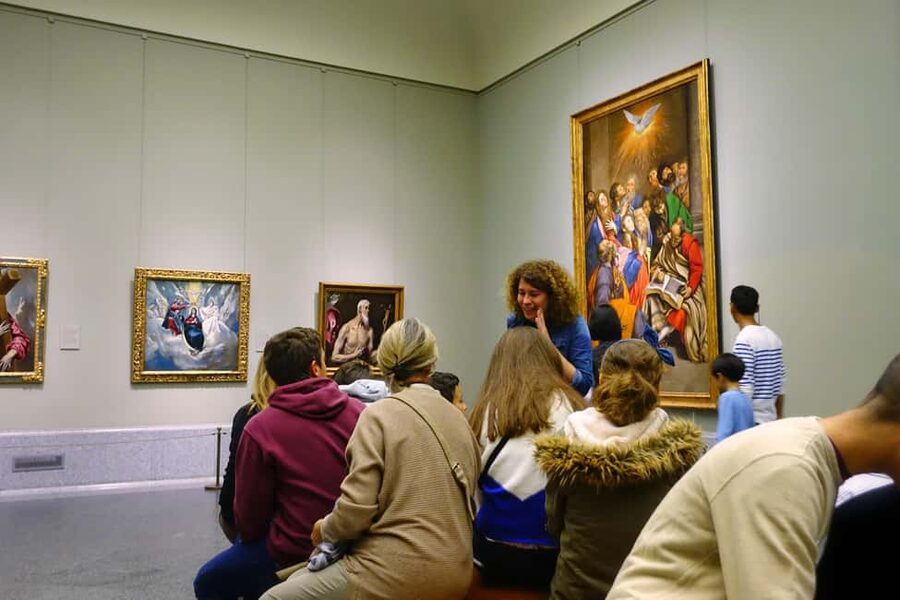
- Skip-the-line ticket plus headphones, so you spend your time looking, not waiting
- Start at Monument to Goya and walk in together to get oriented fast
- Renaissance highlights like Dürer and Fra Angelico, plus Bosch works such as The Garden of Earthly Delights and The Hay Wagon
- Women painters and special focus rooms, including Clara Peeters and the Dolphin Collection
- Baroque and drama with Caravaggio, El Greco, and Velázquez
- A guided arc from Goya to Sorolla, ending at the Hall of the Muses
Prado in 2 hours, with a route that actually helps

The Museo del Prado is not a museum you can comfortably “do” in a single short visit. It has too many masterpieces and too many tempting side rooms. This tour solves that by giving you a guided walking route built around key themes and artists, not a random checklist.
You get the big-name anchors, but you also get context that helps you see what is going on in each work. That matters because many visitors end up admiring paintings they recognize without fully understanding what makes them special. Here, the guide’s job is to connect the art to the ideas and techniques behind it, so your eyes know what to look for.
The time limit is both a strength and a limitation. Two hours is long enough to hit major stops, but short enough that you will not see everything. If you want hours of free roaming, you might still pair this with a self-guided second visit later.
More Prado Museum tours in Madrid:
- Madrid: Prado Museum Entry Ticket
★ 4.6 · 17,509 reviews - Madrid: Small Group of Prado Museum Tour & Optional Tapas
★ 4.6 · 2,437 reviews - Madrid: Prado Museum Guided Tour with Skip-the-Line Ticket
★ 4.5 · 2,018 reviews
Meeting at Monument to Goya, then walking into the right entrance
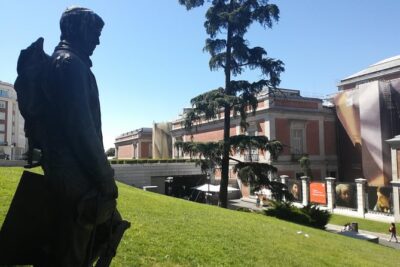
You meet your guide at the Monument to Goya, then the tour begins from there and brings you into the museum. This is a smart setup because it gives you momentum before you even step inside. The route also helps you avoid the awkward moment of standing at the museum entrance wondering where to begin.
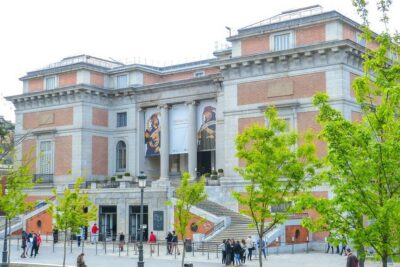
Once you are inside, the tour goes through the emblematic Puerta de los Jerónimos, which quickly places you in the Prado’s Madrid setting. If you have never been, this kind of orientation is more useful than it sounds. You get bearings, you learn how the route will flow, and you stop thinking about logistics and start thinking about what you are about to see.
The tour ends back at the meeting point as well. That keeps the visit tidy, which is helpful if you have dinner plans or you want to keep the rest of your day open.
Renaissance rooms: Dürer, Fra Angelico, Bosch, and the “wait, what am I looking at?” factor

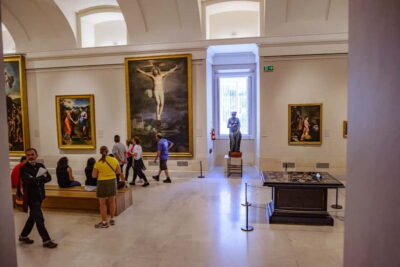
The early part of the tour is where the Prado often surprises people. Yes, you get major Renaissance names like Dürer and Fra Angelico, but the guide also steers you toward works that make you slow down. Instead of only seeing polished religious scenes, you see how different artists approached symbolism, storytelling, and moral questions.
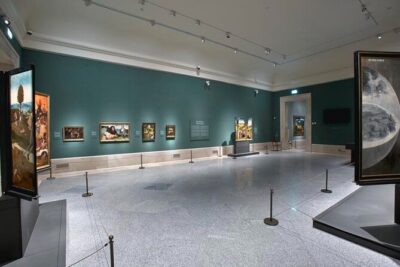
A big highlight here is the presence of Bosch, including works tied to The Garden of Earthly Delights and The Hay Wagon. Bosch can feel confusing at first because the images are crowded with unusual creatures and scenes. That is exactly why a guide helps. You learn how to read the painting in layers, so you are not just staring at weird details.
The tour also points you toward other “contrast” artists and styles, including works associated with Strobel and Tintoretto, which helps explain how Renaissance art still has drama and intensity under the surface. You are not just moving from room to room, you are watching how tastes shift over time.
Then comes a part that I really like because it pushes beyond the standard male-artist storyline. The guide highlights the collection of celebrated women painters, including Artemis and Clara Peeters. It is a practical reminder that the Prado is not only about the usual suspects. If you care about variety in who gets attention in art history, this portion will feel especially satisfying.
You may also encounter smaller focus areas that add personality to the visit, such as the Dolphin Collection. These off-to-the-side moments can be the difference between a tour that feels like a scripted route and one that feels like you discovered something. Even if you are not a “collection nerd,” these small surprises help the museum feel more human.
One drawback to keep in mind: Renaissance rooms can be dense. If you like taking photos constantly or you prefer to read every label, headphones and pacing will keep you moving. The good news is the guide’s explanations are meant to replace some of that label-by-label reading.
How the guide sets the pace, and why the Q&A style matters

A guide’s pacing can make or break a short museum tour. One standout detail from the guides’ approach is how they use questions to keep you engaged. That shows up as you walk, because you are not just listening, you are prompted to notice specific things.
That approach is also useful if your art knowledge is basic. You do not need to be fluent in art history to enjoy the Prado, but you do need a framework. When the guide asks you to look for something or think about what a scene is trying to do, the paintings become clearer faster.
The tours also provide headphones, so you can keep your eyes on the art instead of turning around every few seconds. That seems like a small thing, but it changes the whole flow. You can stay oriented and still hear every explanation clearly.
And because these are small or private-group options, you are less likely to get lost in a sea of people with no personal connection. One guide, Jesús, was praised for being very clear and for maintaining a pace that felt comfortable rather than rushed.
A few more Madrid tours worth comparing
- Madrid: Reina Sofía Museum Entrance Ticket
★ 4.5 · 6,889 reviews - Madrid: Prado Museum Guided Tour With Fast Access
★ 4.8 · 1,785 reviews - Prado Museum Small Group Tour with Skip the Line Ticket
★ 5.0 · 1,738 reviews - Royal Palace & Prado Museum Skip the Line Guided Tour
★ 4.5 · 1,347 reviews
Baroque splendor: Caravaggio, El Greco, and Velázquez in one arc
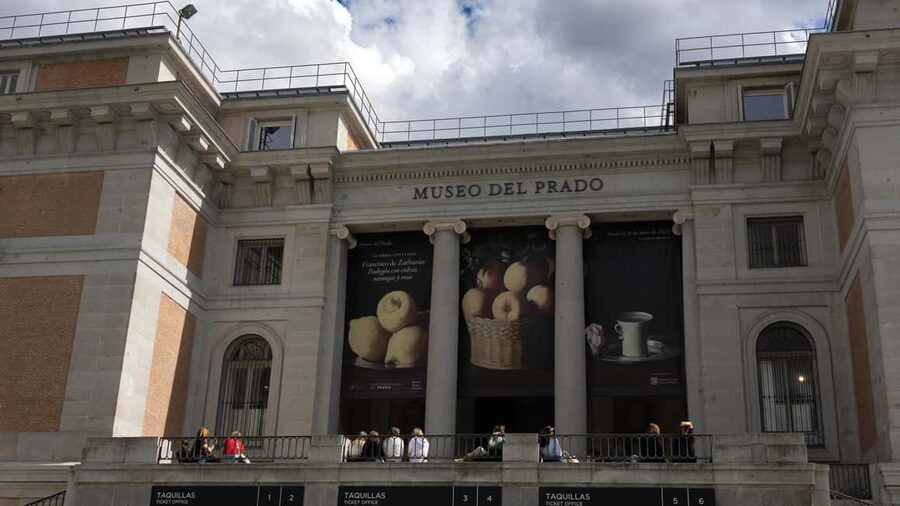
Then the tour shifts into Baroque. This is where the museum’s energy changes. Baroque art tends to be more theatrical, more dramatic in lighting and emotion, and more direct about what it wants you to feel.
You will see major anchors like Caravaggio, El Greco, and Velázquez. Even if you think you already know their names, you might find that the tour helps you spot how each one uses painting as persuasion. The guide’s focus is not only on who painted what, but also on how they built impact through style choices.
Caravaggio is often about contrast and immediacy. El Greco can feel like a world of spiritual intensity and stretched forms. Velázquez brings a different kind of realism and psychological tension. With a guided sequence, you start to understand why these works felt revolutionary in their own time, rather than just admiring them as famous paintings.
This is also a great section if you want the Prado to feel like a story. Renaissance can feel like careful construction. Baroque feels like confrontation. You move from symbolism and order into scenes that push emotion forward.
Goya and Sorolla: from the human mind to sunny color
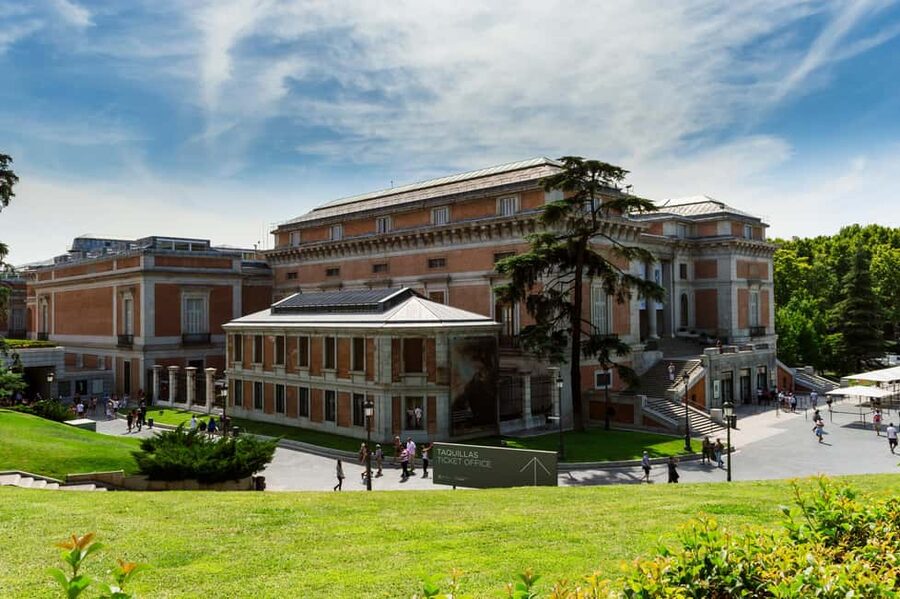
Next comes Goya, and the mood turns sharply. If you have ever felt that some museum art is too distant, Goya is the antidote. You get art that feels like it is talking back.
The tour frames Goya as exploration of darker corners of the human mind. That guidance matters, because Goya’s strength is partly in the contradictions. He can be unsettling and still deeply human. If you have only a basic familiarity, the guide’s framing helps you look with intention instead of just searching for shock value.
After the heavy tone, you get a relief moment with Sorolla. The tour highlights Sorolla’s sunny palette, meaning you shift from psychological tension to outdoor brightness. You might find that this contrast is part of the reason the route works so well. It prevents the visit from becoming one long emotional wall of seriousness.
This part also helps if you do not always connect with paintings. A guided flow gives you emotional punctuation, so your brain registers differences and keeps interest.
The Hall of the Muses: turning what you saw into what it means
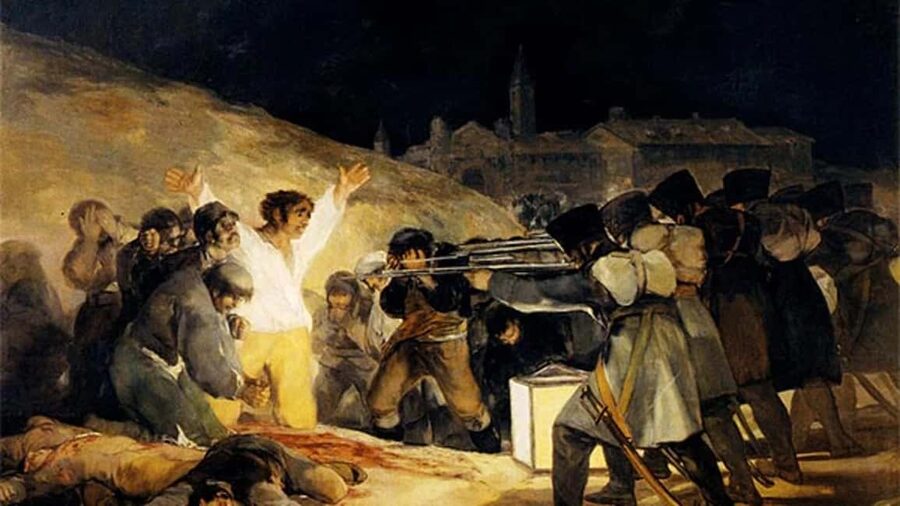
The tour ends with a visit to the Hall of the Muses. This is a smart place to finish because it encourages you to connect the dots instead of leaving the museum with random highlights stuck in your phone gallery.
A hall like this works as a wrap-up because it is more about ideas and inspiration than about one single scene. You leave with a sense of how the Prado’s collection speaks across time and subject matter. It helps your experience feel like more than the sum of a few famous names.
This last stop is also where you can reflect on what the guide made you notice earlier. If you were paying attention, you will spot patterns: how artists use light, how they build narrative, how themes repeat, and how different eras respond to the same human concerns.
Price and value: why $42 can make sense here

At about $42 per person for a 2-hour guided walking tour with entry and headphones, this is the kind of experience where the value depends on your travel style.
If you usually hate waiting in ticket lines, the skip-the-line ticket is an immediate win. If you have ever tried to “figure out” a museum alone, you know time disappears fast. Here, you pay not just for admission, but for a guide turning the Prado into a readable sequence.
The included guide is also what you are really buying. A two-hour route is short, so the guide’s choices matter. When a guide is praised for clarity and pacing, that is a sign you will likely get more understanding per minute than you would on your own.
Small-group or private options can be an extra value point if you want more personal attention. You also get the headphone set, which keeps the group moving without sacrificing audio quality.
Practical tips before you go: bags, timing, and what to wear

One of the most important rules is about luggage. The Prado may prohibit entry if you carry suitcases or backpacks, and the tour explicitly asks you not to bring those. If you are traveling with a day bag, keep it minimal and be ready to leave larger items elsewhere.
Security protocols and crowd flow can create delays at museums. The skip-the-line part helps, but the tour still needs your flexibility. For operational or force majeure reasons, the museum may restrict admission or modify the itinerary, and your tour could be adjusted with a full refund in that case.
Also, you should plan for walking comfort. This is a walking tour inside a big museum, and it is structured enough that you should be ready to keep pace. Wear comfortable shoes, and if you need frequent breaks, it is worth knowing you have a fixed two-hour window.
On the language side, the tour offers Spanish and English guidance, so you can match your comfort level. And since it is wheelchair accessible, it is designed with mobility needs in mind.
Who should book this Prado guided tour
This tour fits best if you want the Prado experience without the overwhelm. You will enjoy it if you like seeing major works in a guided sequence, especially with help connecting the art to ideas and technique.
It is also a good fit if you appreciate variety. The route includes Renaissance stars, Baroque drama, Goya’s darker psychology, Sorolla’s outdoor light, and women painters like Artemis and Clara Peeters. If you tend to think museums are only for one type of art person, this tour is built to prove otherwise.
You might skip this and go fully on your own if you:
- want to linger in your favorite room for an hour
- enjoy reading every label with no guidance at all
- are carrying a larger bag you cannot store elsewhere
Should you book this Prado guided tour with entry ticket?
Yes, if your goal is to see the Prado’s most meaningful highlights in a focused 2-hour window with skip-the-line entry and a guide who keeps the pace comfortable. This is especially worth it if you want structure, clear explanations, and a route that moves through distinct styles rather than just a list of famous paintings.
Book it with confidence if you like small-group energy and you want someone to help you notice what matters, from Dürer and Fra Angelico to Bosch, then Caravaggio, El Greco, Velázquez, and finally Goya and Sorolla.
FAQ
How long is the Prado guided tour?
The guided tour lasts 2 hours.
Where do we meet the guide?
Meet your guide at the Monument to Goya.
Is the tour wheelchair accessible?
Yes, the tour is wheelchair accessible.
What is included with the ticket?
You get skip-the-line entry to the Prado Museum, a live guide, a walking tour, and headphones.
Are suitcases or backpacks allowed?
No. You should not carry suitcases or backpacks, as the Prado Museum may prohibit your entry.
What languages are the guides available in?
The tour is available in Spanish and English.
Recently reviewed around Madrid
- Tour en Tuk Tuk por lo mejor de Madrid★ 3.4 · 13 reviews
- From Madrid: Toledo Day Trip with Cathedral and 8 Monuments★ 4.3 · 32 reviews
- From Madrid: Toledo Guided Day Trip with Cathedral Admission★ 4.4 · 79 reviews
- Madrid: Tasty Tapas Tour & Visit to a Terrace with Views★ 4.5 · 118 reviews
- Madrid: Spanish Tapas Tour★ 4.3 · 7 reviews
- From Madrid: Best of Sevilla Day Tour with Train Transfers★ 4.6 · 40 reviews
- Tapas Food Tour with Dinner in Madrid★ 5.0 · 6 reviews
- Small Group Prado Museum Guided Tour with Skip the Line★ 4.2 · 106 reviews
Prado Museum Tours, compared.
Small Group of Prado Museum Tour & Optional Tapas
Read our review →
Prado Museum Guided Tour with Skip-the-Line Ticket
Read our review →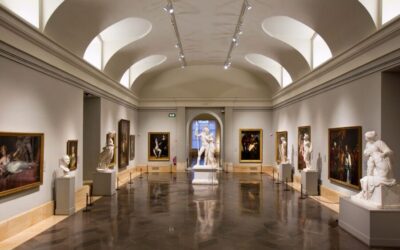
Prado Museum Small Group Tour with Skip the Line Ticket
Read our review →
Royal Palace & Prado Museum Skip the Line Guided Tour
Read our review →
Prado Museum Guided Tour with Skip-the-Line Ticket
Read our review →Browse the lists this tour appears in