
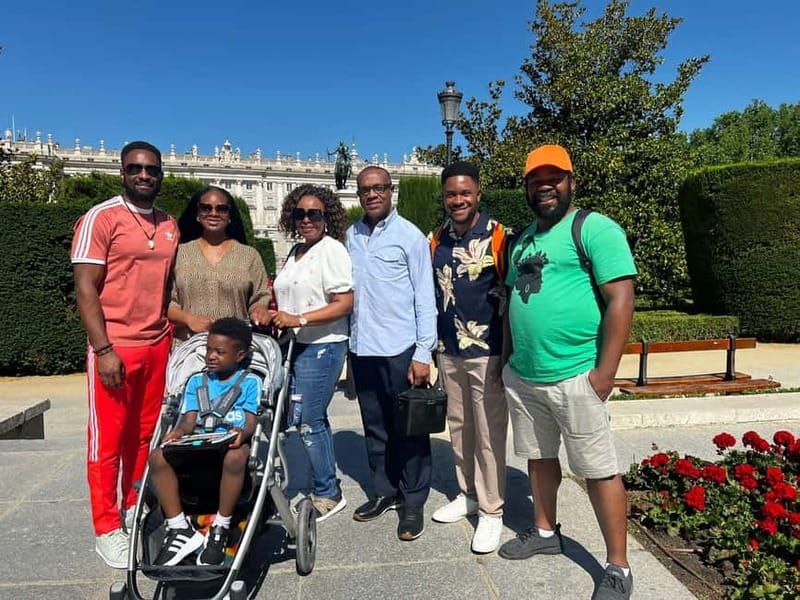
Reviewed · HISTORICAL TOURS
Black History Tour of Madrid: Heritage & Resistance
Madrid’s slave history is one of those topics that can feel easy to miss, even while you’re standing right in front of the landmarks. This tour makes you look again at the same streets, buildings, and city layout, with Black heritage and resistance treated as the main story. It is also timed as a smart, focused way to build context fast, without turning your day into a research project, and it is led by Afroibérica Tours.
I especially like the way the guide connects Madrid to Afro-European history instead of keeping it abstract, and I like that you get guided storytelling and community focused conversation tied to what you can actually see in the city. The reviews also highlight the guide, Kwame, as a big reason the experience lands, and that lines up with the tour’s emphasis on discussion, visuals, and clear explanations.
One consideration: this is a history and heritage walk that centers slavery, resistance, and legacy, so it may feel emotionally intense for some people. If you prefer purely celebratory or light sightseeing, this may not be the right fit.
Key things to know before you go
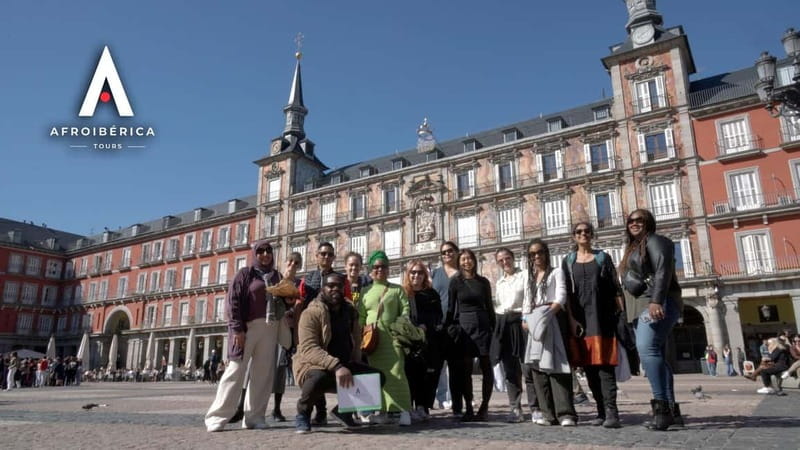
- A 2 hour route built around major Madrid landmarks, with photo stops and short guided moments
- Focused on African legacy and resistance, not just general background
- Led by Afroibérica Tours, with English and Spanish guide support
- Meets outside Starbucks at Plaza de Isabel II, Metro Opera, so it is easy to find
- Wheelchair accessible and set up as a private group experience
Why Madrid’s slave history shows up in the street plan
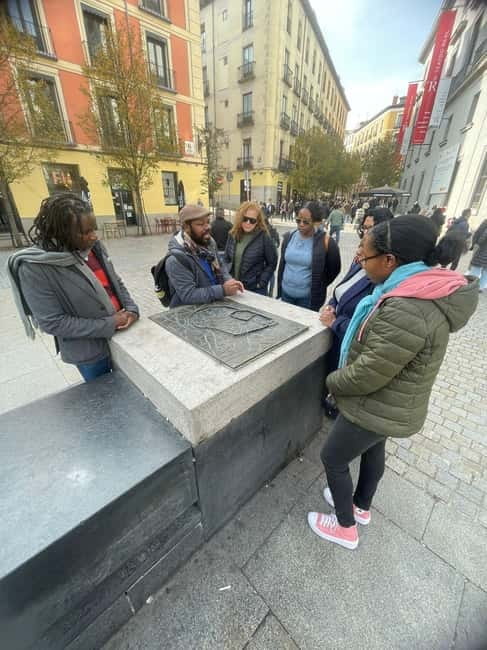
Madrid can look like a straightforward capital if you only skim the surface. This tour asks you to slow down and notice how power and labor shaped the city long before many people learned to connect Spain to Atlantic slavery. That shift in perspective is the real value here.
You learn that Spain was the penultimate territory of the Atlantic World to end slavery definitively. You also hear the timeline argument that matters for understanding Europe as part of the Atlantic story, not a separate bubble. The tour frames Black presence in the Iberian Peninsula as centuries old, arriving well before Christopher Columbus.
Even if you have visited Madrid before, you’ll likely recognize parts of the route and then realize you never truly read what they represented. That is what makes the experience click: you are not just seeing monuments, you are building an explanation for why the city feels the way it does.
A few more Madrid tours worth comparing
- Madrid Essential: Historic Center, Plaza Mayor & Royal Palace
★ 5.0 · 6,416 reviews - Madrid Historical Tour with Local Guide in Eco Tuk Tuk Private
★ 5.0 · 876 reviews - Madrid Historic Centre Food Tour with Authentic Tapas & Wines
★ 5.0 · 814 reviews
Route overview: Plaza de Isabel II to Puerta del Sol
Your walk is anchored in two classic Madrid hubs. You start at Plaza de Isabel II, then move through major royal and religious landmarks, and you finish back in the center at Puerta del Sol.
The route structure matters because it gives you time to absorb context in a logical order. Photo stops let you orient yourself visually. Guided segments turn those sights into discussion points, so you walk away with more than photos and a vague feeling of learning something important.
Also, the duration is set for a tight time window at about 2 hours. If you have a packed itinerary, this is a good way to add substance without draining your whole day.
Stop 1: Plaza de Isabel II, where the conversation begins
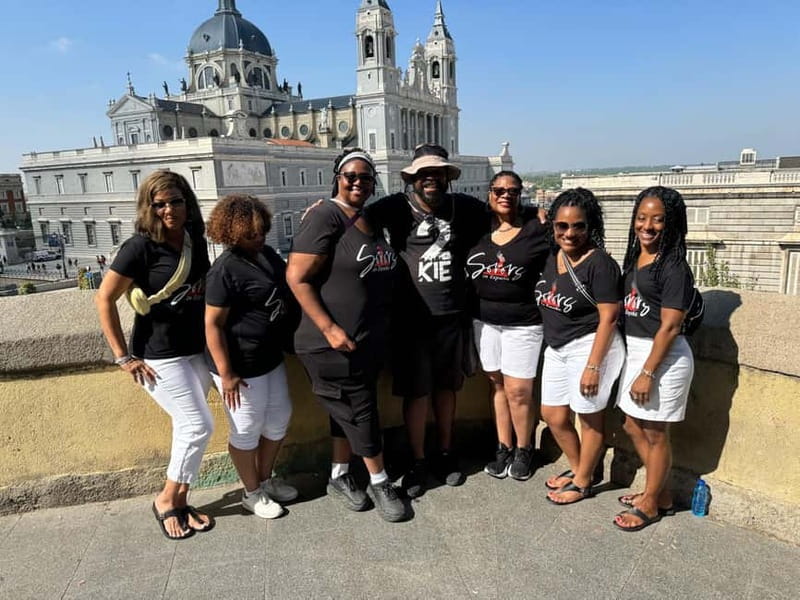
Plaza de Isabel II is your launching point, and it is a practical choice. It is a central meeting area with clear wayfinding, and you meet the guide outside Starbucks at Plaza de Isabel II, Metro Opera.
This start matters because it sets the tone. The tour is designed especially for Black travelers, educators, institutions, and cultural organizations looking for meaningful engagement with Afro-European history. In other words, it is not pretending to be neutral in the sense of skipping the stakes. You start with the framing, so later stops make sense.
If you are someone who likes to ask questions, this is also where you will likely feel most comfortable doing that. A short group walk works best when you can talk and not just listen.
Royal Palace photo stop: looking at power with new eyes
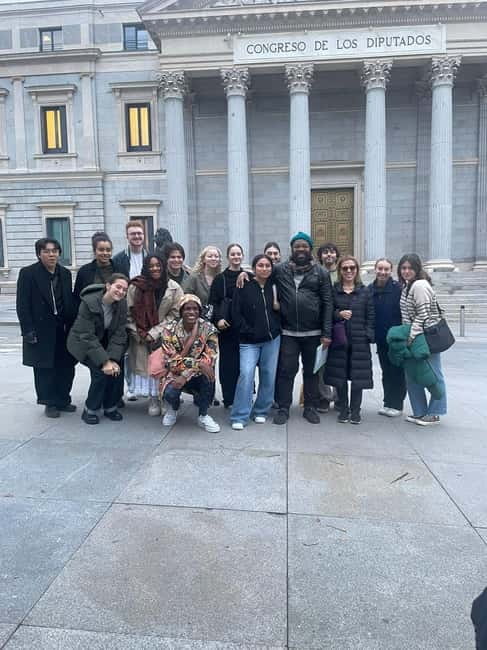
Your next stop is the Royal Palace of Madrid, and you get a photo stop plus a safety briefing. This is not a long detour into interiors, so it is best thought of as a visual anchor for the tour’s larger theme.
Here’s what I think you’ll get out of it: the Royal Palace is a symbol of authority, wealth, and official history. The tour uses that symbol to question whose lives built and maintained the world around you. You end up thinking less about the postcard angle and more about the human systems behind it.
Practical note: with a photo stop, you want to be ready to move quickly. Wear shoes you can stand in, and keep your camera or phone accessible so you don’t waste energy fumbling.
Still in Madrid, a different sort of afternoon:
- Madrid: Tour Bernabéu Entry Ticket
★ 4.5 · 21,573 reviews - Madrid: Prado Museum Entry Ticket
★ 4.6 · 17,509 reviews - Madrid: “Emociones” Live Flamenco Performance
★ 4.8 · 12,866 reviews - Madrid: Panoramic Route City Tour
★ 4.1 · 12,259 reviews
Almudena Cathedral: guided context and careful pacing
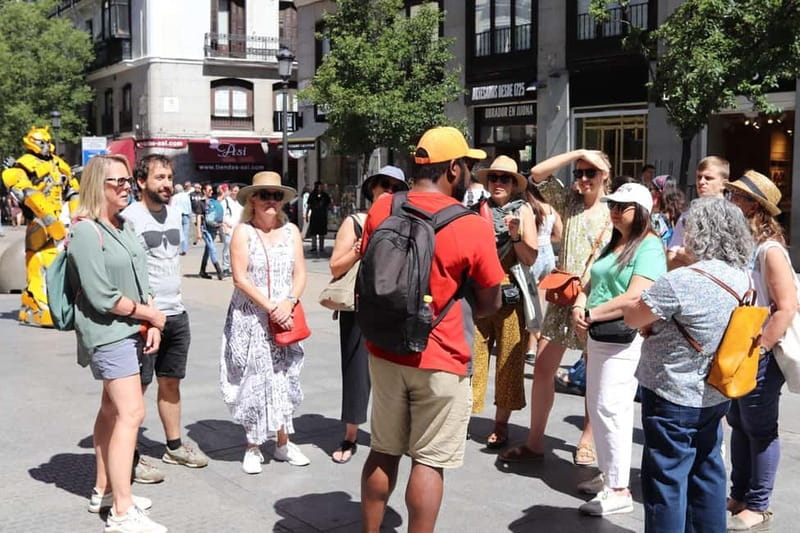
Next you reach Almudena Cathedral, again with a photo stop plus a safety briefing, followed by a guided tour segment. This stop is more narrative driven, and it tends to feel like a turn from landmark viewing to meaning making.
Cathedrals and religious spaces can be tricky on heritage walks, because they often get treated as only architectural or spiritual. This tour treats them as part of the same historical system that shaped who had rights, who had labor value, and who was erased or minimized in official storytelling.
The guided portion is valuable because it connects place to theme. You do not just see a building. You hear the logic for why Black presence and resistance belong in the same conversation as European institutions and city growth.
If you are prone to overheating in Madrid, pace yourself here. You are in outdoor light a lot of the time, and the tour suggests basic sun protection for a reason.
Puerta del Sol finish: tying the threads in the center
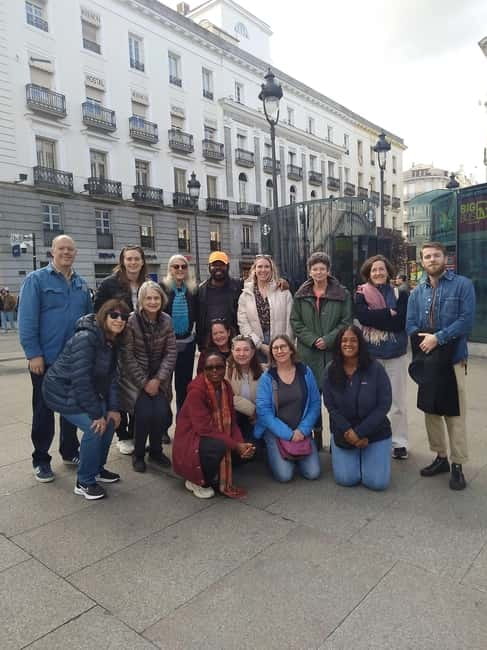
You end at Puerta del Sol. This finish spot is iconic, lively, and easy to connect to the rest of your day.
What I like about this ending is that it forces closure. You start at a well known plaza, move through the city’s major visual symbols of authority, then you come back to the central public space. That final placement helps you hold onto the bigger idea: Black history is not only something you read in a book, it is woven into the spaces you keep returning to.
You may also appreciate the pacing here. The tour is only 2 hours, so you should finish with energy, not burnout. If you plan something right after, a short break for water and a quick snack are usually the smartest moves, since food and drinks are not included.
What you learn about heritage, resistance, and the Atlantic timeline
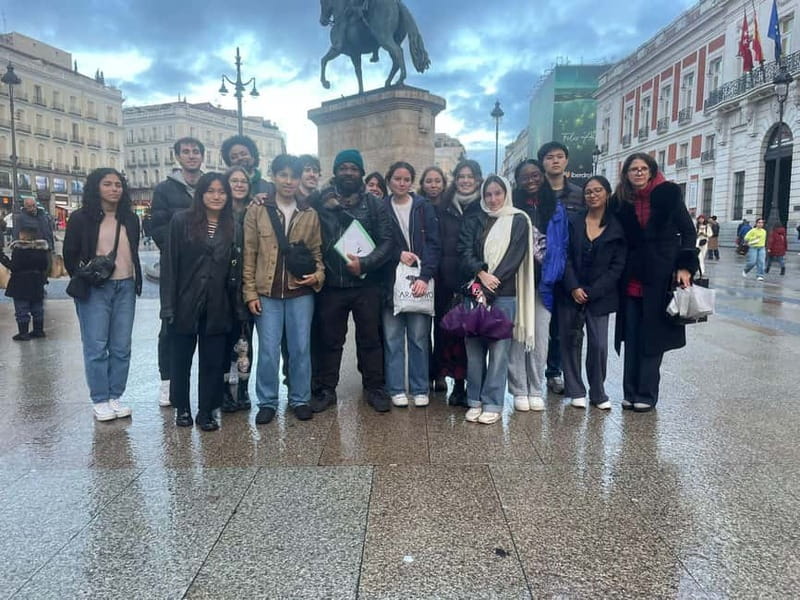
The tour message is direct: it is about African legacy, resistance, and culture that show up in the city’s past and present. The point is not just to list facts. It is to help you understand how the labor and presence of enslaved people influenced the configuration of Madrid.
The tour also frames Spain within a larger Atlantic pattern. Learning that Spain was the penultimate Atlantic territory to end slavery definitively helps you see why this story can still feel unfinished in public memory. It’s a timeline that explains the gap between what people assume and what the historical record indicates.
Just as important, it emphasizes the idea of Afro-European presence before Columbus. That matters because it challenges the default story many people learned, where Europe’s connection to Black history seems to begin later. Here, the emphasis is on much earlier presence on the Iberian Peninsula.
This is why the tour is described as designed for educators and institutions. It is not only personal learning, it is also material you could use in teaching, programming, and community discussion.
The guide experience with Afroibérica Tours and Kwame’s impact
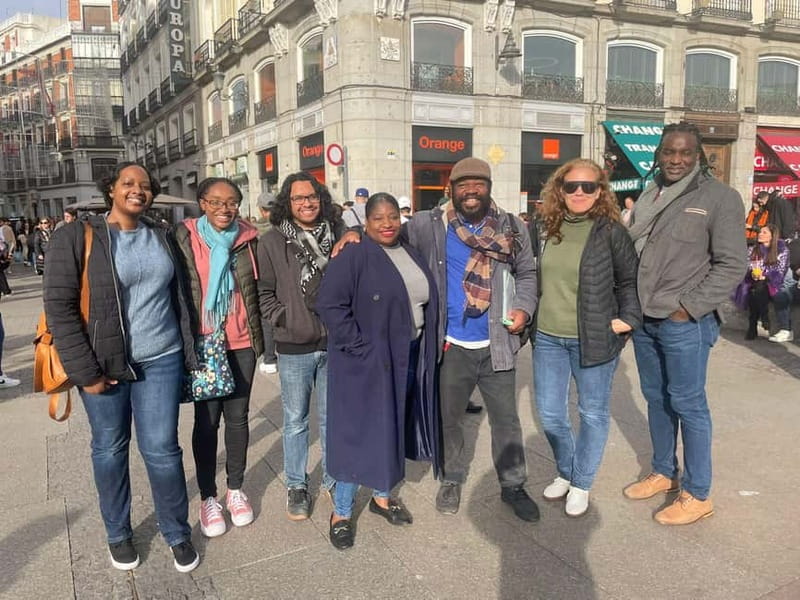
Afroibérica Tours provides the guide, and the experience runs with a live guide in English and Spanish. That language range matters in Madrid because you can get more precise explanations rather than relying on a quick summary you struggle to follow.
The reviews put a clear spotlight on Kwame. People call the tour very interesting and eye opening with him as the guide. That matches the tour’s format: guided storytelling, powerful visuals, community spaces, and deep conversations.
I think this combination is what makes the tour feel more like a guided conversation than a scripted walk. A good guide does two things at once. They keep you oriented in the city, and they keep the topic grounded in lived human stakes. If you want a tour where the guide actually helps you understand, not just points, this is the right kind of setup.
Price and time: does $40 make sense for a 2 hour tour?
The price is $40 per person for about 2 hours, and the guide services are included. Food and drinks are not included, so you should budget a little extra if you plan to eat right after.
Is it value? For me, it is worth it when a tour delivers three things: clear framing, thoughtful storytelling, and a route that stays manageable within your day. This one is short enough that you avoid the fatigue that can dilute learning, and focused enough that you are not wandering aimlessly.
Also, this is a private group. Private does not automatically mean better, but it does often mean you can ask questions and follow the pace of the discussion. For a topic like slavery and resistance, pacing and tone matter, and a smaller group structure can help.
What to bring for a comfortable and respectful walk
The tour suggests practical items, and you’ll be glad you listened. Bring:
- Comfortable shoes for walking and standing at photo stops
- Sun protection like sunglasses, a sun hat, and sunscreen
- A reusable water bottle, because this is a daytime outdoor walk
- Cash and a credit card, since the tour data lists both
Then add your own common sense extras: a layer if you run cold in shade, and a phone battery for photos. With short photo stops, battery anxiety is annoying.
If you are sensitive to crowded spaces, remember it is a private group. Still, major Madrid plazas can get busy, so arrive a touch early so you do not start stressed.
Who this tour is best for in Madrid
This tour is especially designed for Black travelers, educators, institutions, and cultural organizations, but you do not have to be in those categories to book it.
I think it fits best if you want more than surface sightseeing. It is good for travelers who like context and who appreciate guides who connect architecture and city design to human history.
It also works well for people visiting Madrid for the first time. The route hits major landmarks, so you still get the classic Madrid view. The difference is you leave with a deeper explanation for what you saw.
If you are traveling with kids or a group that needs a lighter tone, you might find the theme heavy. The tour is respectful and educational by design, but slavery and resistance are not light topics.
Should you book the Black History Tour of Madrid?
Book it if you want your Madrid day to make sense on a deeper level. If you are drawn to Afro-European history, resistance stories, and the way slavery influenced the city you walk through, this is a strong use of 2 hours.
Skip it if you are mainly chasing quick monument photos with minimal discussion. This tour is built around storytelling and conversation, and the focus is intentionally on the harder chapters.
If you do book it, go in with comfortable shoes, sun protection, and an open mind. And when Kwame is your guide, expect the experience to feel thoughtful and sharply explained. That is the kind of tour where you don’t just learn something, you start noticing Madrid differently right away.
FAQ
How long is the Black History Tour of Madrid?
The tour duration is about 2 hours. Starting times depend on availability.
Where do I meet the guide?
Meet the guide outside Starbucks at Plaza de Isabel II, Metro Opera.
Where does the tour end?
The tour finishes at Puerta del Sol. The activity info also notes that it ends back at the meeting point.
How much does the tour cost?
The price is $40 per person.
What is included in the price?
Included is guide services.
Are food or drinks included?
No. Food and drinks are not included.
Is the tour wheelchair accessible?
Yes, the tour is wheelchair accessible.
What languages is the guide available in?
The live guide is available in English and Spanish.
Recently reviewed around Madrid
- Tour en Tuk Tuk por lo mejor de Madrid★ 3.4 · 13 reviews
- From Madrid: Toledo Day Trip with Cathedral and 8 Monuments★ 4.3 · 32 reviews
- From Madrid: Toledo Guided Day Trip with Cathedral Admission★ 4.4 · 79 reviews
- Madrid: Tasty Tapas Tour & Visit to a Terrace with Views★ 4.5 · 118 reviews
- Madrid: Spanish Tapas Tour★ 4.3 · 7 reviews
- From Madrid: Best of Sevilla Day Tour with Train Transfers★ 4.6 · 40 reviews
- Tapas Food Tour with Dinner in Madrid★ 5.0 · 6 reviews
- Small Group Prado Museum Guided Tour with Skip the Line★ 4.2 · 106 reviews
Historical Tours, compared.
Madrid Essential: Historic Center, Plaza Mayor & Royal Palace
Read our review →
Madrid Historical Tour with Local Guide in Eco Tuk Tuk Private
Read our review →
Madrid Historic Centre Food Tour with Authentic Tapas & Wines
Read our review →
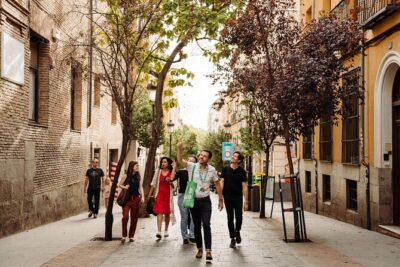
Madrid in a Day Tour:Royal Palace, Historic Center & Prado Museum
Read our review →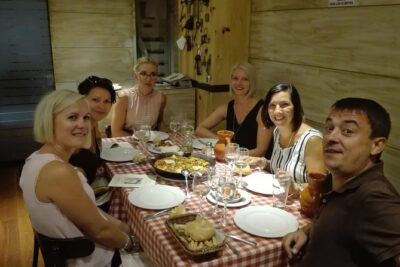
Madrid Local’s Tapas Tour Dinner with a side of History
Read our review →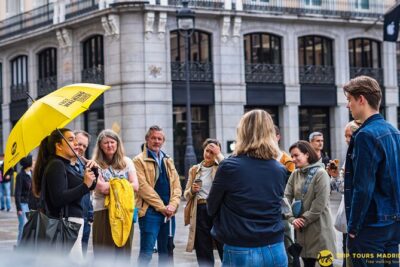
Guided Tour of Madrid of the Austrias and the Historic Center
Read our review →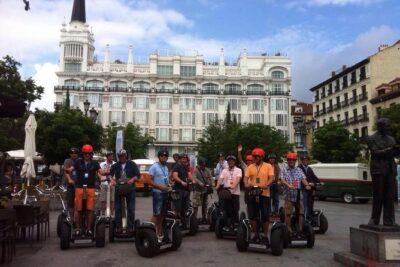
Segway Private Tour in the Historic Center of Madrid
Read our review →Browse the lists this tour appears in